
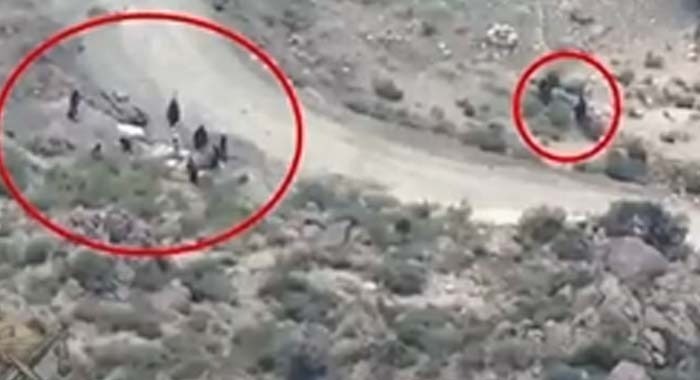
The recent security incidents in Pakistan’s north-western frontier region highlight a long-standing and complex challenge rooted in geography, militant history, and evolving asymmetric warfare tactics.
Areas such as Miranshah have historically been vulnerable due to difficult terrain, porous cross-border movement, and the presence of militant networks that have periodically exploited local instability. Security operations over the past years have significantly reduced organized militant strongholds, yet intelligence reports suggest that fragmented or decentralized groups continue attempting low-intensity attacks.
Experts analysing the security situation argue that militant strategies have gradually shifted from holding territory to creating psychological and political pressure through sporadic attacks targeting civilian areas. Such tactics are commonly associated with hybrid conflict models where non-state actors avoid direct military confrontation.
The broader regional context also plays a role. Tensions along the Pakistan-Afghanistan border have influenced local security dynamics, with authorities repeatedly stressing the need to address cross-border militant facilitation. Pakistan’s security institutions have responded by expanding surveillance, conducting intelligence-driven operations, and strengthening frontier monitoring mechanisms.
Another important factor is the civilian vulnerability in remote tribal districts where infrastructure development, healthcare access, and emergency response capacity remain uneven. Security analysts often emphasize that counterterrorism success depends not only on military pressure but also on socio-economic stabilization and community engagement.
Moving forward, sustaining pressure on militant networks will likely require integrated strategies combining intelligence coordination, border management, and local development initiatives. While operational actions can suppress immediate threats, long-term stability depends on addressing both security and structural drivers of unrest.



