
Civilian casualties in military operations remain a deeply sensitive and universally acknowledged concern, with international legal forums, human rights organizations, and governments consistently emphasizing the protection of non-combatants during conflict.
Amid renewed tensions following reported strikes in Kabul, a fresh wave of debate has emerged over claims attributed to the Tehreek-e-Taliban Afghanistan (TTA), particularly regarding alleged large-scale civilian losses. The issue has triggered strong reactions within Pakistan, where public discourse has increasingly centered on accountability, verification, and the broader context of cross-border militancy.
Security perspectives within Pakistan highlight that since the Taliban takeover of Afghanistan, nearly 5,000 Pakistani civilians have been killed in attacks attributed to militant groups operating from Afghan territory. Officials and analysts allege that these groups, described as organized “tashkeels,” have functioned with varying degrees of patronage and oversight from elements within the interim Afghan government (IAG). It is further claimed that in recent years, 60 to 70 percent of militants involved in some of these formations were Afghan nationals.
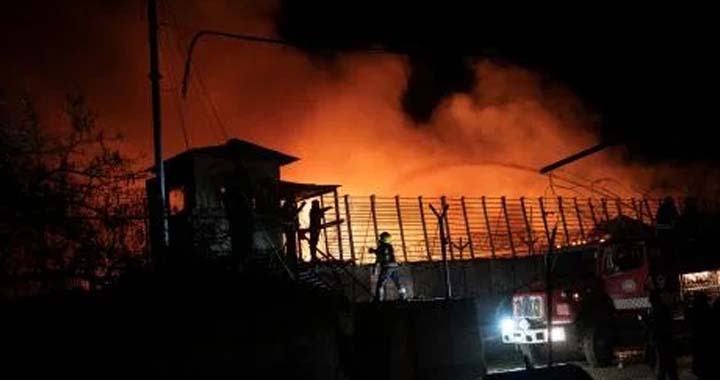
The latest controversy stems from TTA assertions that a recent Pakistani strike targeted a civilian rehabilitation facility in Kabul, allegedly resulting in significant casualties. However, these claims have been met with skepticism in some quarters, with calls for independent verification growing louder.
Observers questioning the narrative argue that, as seen in conflict zones worldwide, credible claims of mass civilian casualties are typically accompanied by transparent evidence, including access for neutral or international media. They suggest that the absence of such access in this instance raises concerns about the reliability of the reported figures.
Loss of civilians in military operations has always been a universal concern. Not only International legal forums and human right organisations but humanity on the whole abhors it . The value of life , particularly those of non-combatants must never be discriminated. Policies ,…
— lieutenant General Saeed (@msaeed26198) March 17, 2026
Additionally, attention has been drawn to video footage circulating online, which reportedly captures secondary explosions following the initial strike. Analysts note that such detonations may indicate the presence of stored explosives or militant infrastructure, rather than purely civilian facilities, though no independent confirmation has been provided.
Comparisons have also been made to past international precedents, where governments have organized large-scale public funerals or allowed extensive media coverage to substantiate claims of civilian harm. Critics argue that if the reported death toll of 500 were accurate, visible and verifiable public mourning events would likely follow.
A social media post that has gained traction in the debate questions why, if the scale of casualties is as high as claimed, there has been no centralized funeral or open demonstration of loss involving large numbers of victims. The post suggests that the absence of such measures may point toward exaggeration for propaganda purposes.
Verification, Narrative, and the Battle for Perception
The unfolding situation underscores a familiar pattern in modern conflict, where information itself becomes a battleground. Competing narratives, amplified by social media and geopolitical alignments, often shape public perception before independent verification can take place.
While concerns over civilian harm remain valid and urgent, analysts emphasize the importance of consistent standards in evaluating such claims. They caution against both uncritical acceptance and outright dismissal, urging reliance on verifiable evidence and impartial investigation.
As tensions persist, the call for transparency, whether through independent media access or international oversight, continues to grow, reflecting a broader demand for accountability in an increasingly complex and contested regional security landscape.



