
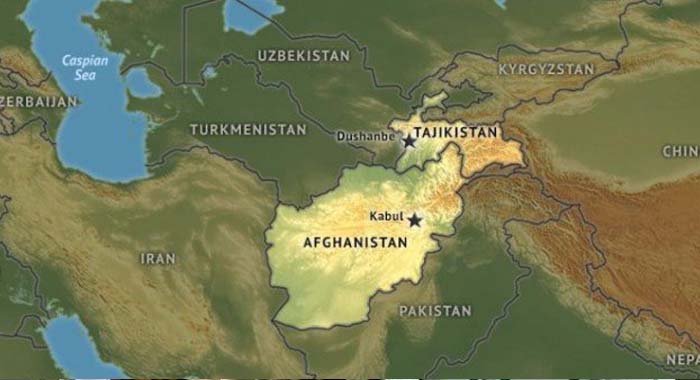
A recent report by Al Jazeera has highlighted escalating security concerns along the Tajikistan–Afghanistan border, warning that rising instability is increasingly jeopardizing China’s strategic and economic interests while amplifying Beijing’s unease over broader Central Asian security.
According to the report, Tajik authorities have documented multiple armed infiltrations from Afghan territory in recent months, incidents that have resulted in more than a dozen fatalities. Notably, several of those killed were Chinese nationals employed on infrastructure, mining, and development projects in remote border districts. The attacks reportedly showed a clear pattern of targeting Chinese companies and personnel.
Al Jazeera noted that China is Tajikistan’s largest creditor and one of its most significant economic partners, with substantial investments in road construction, infrastructure development, and mining—particularly in sensitive border regions. These developments have reportedly eroded Beijing’s confidence in the safety of its citizens operating near the Afghanistan–Tajikistan frontier.
The report referenced a November 26 incident in which a drone strike hit a Chinese-operated gold mining site, followed by gunfire directed at workers employed by a Chinese state-owned enterprise. Several Chinese nationals were reportedly killed in these attacks. In response, the Chinese embassy in Dushanbe advised its citizens and companies to withdraw from border areas and urged Tajik authorities to adopt all necessary measures to safeguard Chinese lives and investments.
Citing regional security analysts, Al Jazeera reported that although no group has officially claimed responsibility, the modus operandi aligns closely with Islamic State Khorasan (IS-K) tactics. Analysts suggest the group is deliberately targeting foreign interests to undermine the Taliban’s claim of being capable guarantors of regional security.
The report warned that the intensifying border clashes, coupled with targeted attacks on Chinese assets, could further destabilize the region, complicating security dynamics and increasing pressure on both the Taliban and neighboring states.
Quoting Tajik officials, Al Jazeera said Dushanbe views the attacks as evidence of the Taliban’s failure to uphold security responsibilities and international assurances. Tajik authorities have reportedly demanded an apology from the Taliban and called for concrete guarantees to prevent future cross-border violence.
Most of the attacks were traced back to Afghanistan’s Badakhshan province, which the report described as a highly complex and volatile security zone. It added that Taliban measures against poppy cultivation, and the resulting resentment among local farmers, have further aggravated already fragile conditions in the area.
In response, the Taliban have expressed regret over the incidents, attributing the violence to unspecified hostile elements. They have reiterated that Afghanistan poses no threat to neighboring countries and reaffirmed their commitment to the Doha Agreement, despite growing regional skepticism.
The Al Jazeera report concludes that unless security along the Afghanistan–Tajikistan border improves, continued violence could have serious implications for regional stability and China’s long-term strategic interests in Central Asia.



