
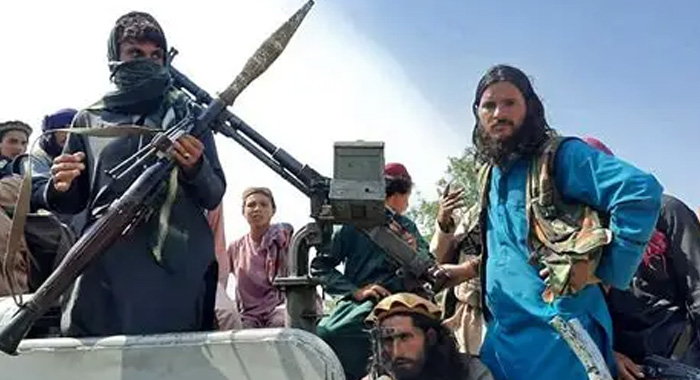
Growing reports of individuals from Afghanistan joining militant organizations have sparked serious concern and renewed scrutiny of the Afghan Taliban’s interim government, raising fundamental questions about its authority, credibility, and ability to maintain internal stability.
These developments are unfolding at a time when power in Afghanistan is firmly concentrated in the hands of the Afghan Taliban. Despite this centralized control, the increasing involvement of Afghan nationals in militant groups operating both within and beyond the country’s borders suggests a troubling gap between governance claims and realities on the ground.
Notably, Afghan religious scholars have publicly issued decrees discouraging and condemning participation in militant organizations. However, the limited impact of these religious pronouncements points to deeper structural and political challenges. Their inability to deter individuals from radical paths raises concerns about the effectiveness of moral authority alone in the absence of inclusive governance, economic opportunity, and public trust.
This situation has prompted critical questions among regional observers and the international community alike. Does the continued flow of recruits into militant groups reflect a weakening grip of the Afghan Taliban over society and territory? Are segments of the population becoming disillusioned with the current political order? And perhaps most importantly, is Afghanistan once again failing to learn from the painful lessons of its past where exclusion, instability, and unresolved grievances paved the way for prolonged conflict?
Analysts warn that unchecked militancy not only threatens Afghanistan’s internal security but also risks destabilizing the wider region. The persistence of these trends undermines assurances that Afghan soil will not be used to threaten other countries and casts doubt on the interim government’s capacity to fulfill its stated commitments.
Sustainable peace and long-term stability, experts emphasize, cannot be achieved through force or decrees alone. Preventing the spread of militancy requires a comprehensive approach one that addresses political inclusion, economic hardship, social alienation, and public representation. Without meaningful engagement with the aspirations and concerns of the Afghan people, the cycle of instability may continue to repeat itself.
As the situation evolves, the international community and regional stakeholders are closely watching whether the Afghan Taliban can translate authority into effective governance or whether the growing signs of internal fragmentation signal yet another missed opportunity for Afghanistan to chart a different, more stable course.



