
Pakistan has once again been confronted with the brutal reality of terrorism after a cowardly attack on a police mobile in the Karak district of Khyber Pakhtunkhwa, which resulted in the martyrdom of five brave police personnel and the complete destruction of the vehicle. The nation mourns the loss of these courageous sons of the soil who laid down their lives in the line of duty to protect their homeland.
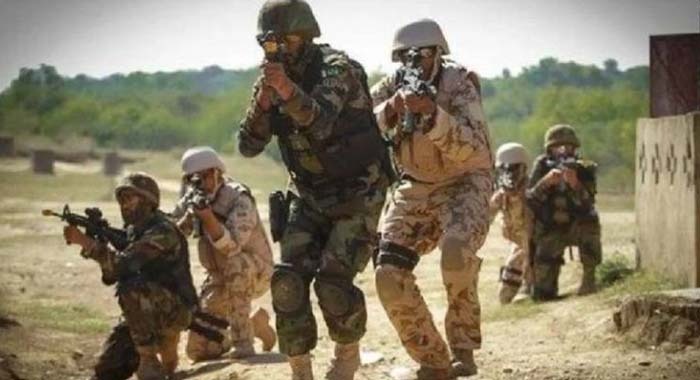
In a swift and decisive response, security forces, Counter Terrorism Department (CTD), and police launched a joint operation, successfully neutralizing eight terrorists involved in the attack. This prompt action underscores the professionalism, courage, and unwavering commitment of Pakistan’s security apparatus in confronting and dismantling terrorist threats.
Pakistan stands at a critical juncture where terrorism is once again attempting to undermine national security, internal stability, and economic recovery. Despite repeated attempts by hostile elements to destabilize the country, the resolve of Pakistan’s security forces remains unshaken. Their sacrifices, marked by unparalleled bravery and selflessness, form the cornerstone of the nation’s fight against extremism.
However, the resurgence of terrorist activity highlights serious challenges that must be addressed collectively. Maintaining law and order is a constitutional responsibility of provincial governments, yet gaps in policing capacity, intelligence coordination, and governance continue to be exploited by terrorist networks and their facilitators. These internal vulnerabilities provide space for extremist elements to regroup and threaten the writ of the state.
The role of local facilitators remains a critical concern. Operating under various guises religious, ideological, or ethnic they poison minds, exploit grievances, and aid those who seek to harm Pakistan from within. Eradicating this menace requires firm, across-the-board action without discrimination or political expediency.
It is an undeniable reality that the National Action Plan (NAP), a landmark consensus framework against terrorism, remains only partially implemented. Key pillars such as action against proscribed organizations, curbing hate speech, choking terror financing, reforming madrassas, and ensuring swift justice must move beyond paperwork and be enforced in letter and spirit.
Regionally, Pakistan faces a complex security environment. Persistent attempts to wage proxy wars against the country, coupled with the troubling posture of Afghanistan’s interim authorities in allowing hostile elements to operate from their soil, pose serious threats not only to Pakistan but to regional and global peace. The international community must move beyond rhetoric and take concrete steps to ensure Afghan territory is not used for terrorism.
Pakistan’s fight against terrorism cannot be won by force alone. A comprehensive, whole-of-nation strategy is imperative one that combines robust security measures with political stability, economic recovery, social justice, and ideological reform. Efficient intelligence sharing, swift prosecution of terror cases, protection of witnesses, and strict accountability are essential to deny terrorists any space to operate.
Media, educational institutions, and religious leadership also have a vital role to play. Responsible reporting, promotion of critical thinking, tolerance, constitutional values, and unequivocal rejection of violence in the name of religion are indispensable in countering extremist narratives. Above all, sustained political consensus and policy continuity are crucial to ensure lasting success.
Pakistan has paid a heavy price in this long struggle thousands of lives lost, immense economic damage, and lasting social scars. Yet, the nation has repeatedly demonstrated resilience, unity, and courage. By strengthening internal cohesion, restoring public trust, and enforcing the rule of law without fear or favor, Pakistan can defeat the designs of its enemies.
The decisive phase of the war against terrorism still lies ahead. It demands introspection, policy recalibration, and the promotion of a national narrative rooted in hope, unity, and peace. This is the true tribute to the martyrs who sacrificed their lives—and the only path toward a secure, stable, and dignified Pakistan.



