
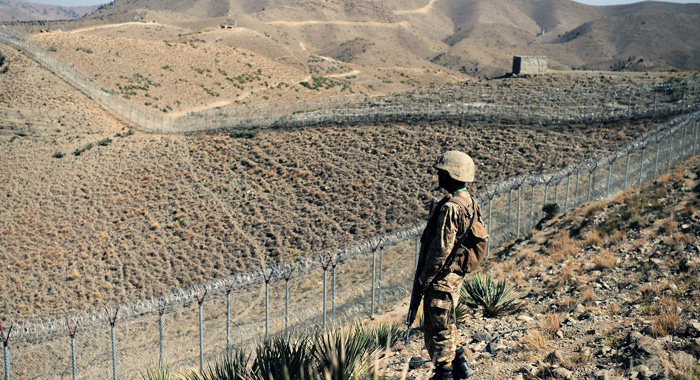
Pakistan’s recent preemptive precision actions against elements linked to Tehrik-i-Taliban Pakistan (TTP) and Islamic State Khorasan Province (ISKP) have once again brought into sharp focus the persistent security challenges along the Pakistan–Afghanistan border and the prevailing trust deficit between Islamabad and Kabul.
Acting on actionable and time-sensitive intelligence, Pakistan targeted seven identified locations being used for the planning, facilitation, and execution of cross-border terrorist activities. According to initial operational assessments, over 80 terrorists were eliminated, and significant terrorist infrastructure was dismantled during the coordinated actions.
In response, the interim authorities in Afghanistan have circulated footage from a single targeted location, alleging civilian casualties, including women and children. Pakistan maintains that any loss of innocent life is deeply regrettable and, if verified through credible and transparent investigation, warrants serious concern. Pakistan has consistently upheld the principle of minimizing civilian harm and has exercised restraint and precision in all counterterrorism operations.
However, it is noteworthy that no clarification has been offered regarding the remaining targeted compounds, particularly in the provinces of Khost and Paktika, where terrorist infrastructure was reportedly dismantled. Selective focus on a single site, while overlooking the broader context of terrorist sanctuaries operating with impunity, does little to foster transparency or build mutual confidence.
The central issue remains the continued presence and operational freedom of the banned TTP and ISKP elements on Afghan soil. These groups have repeatedly orchestrated cross-border attacks against Pakistan’s security forces and civilians, undermining regional peace and stability. Durable peace between the two neighbouring countries is contingent upon a shared and verifiable commitment to prevent the use of national territory against the other.
Pakistan has consistently emphasized dialogue, cooperation, and coordinated border management as the preferred path forward. Nevertheless, it remains resolute in its sovereign right to defend its citizens and territorial integrity against imminent threats.
The authorities in Kabul face a pivotal strategic choice: to take credible, demonstrable action against terrorist groups operating within their territory in the interest of good neighbourly relations and regional stability, or to persist in denial, thereby risking further deterioration of bilateral ties and potential escalation.
Regional stability will depend less on rhetoric and more on concrete, verifiable measures to dismantle terrorist networks and prevent cross-border terrorism. Pakistan remains committed to constructive engagement, provided that such engagement is grounded in mutual responsibility, accountability, and a shared commitment to peace.



