
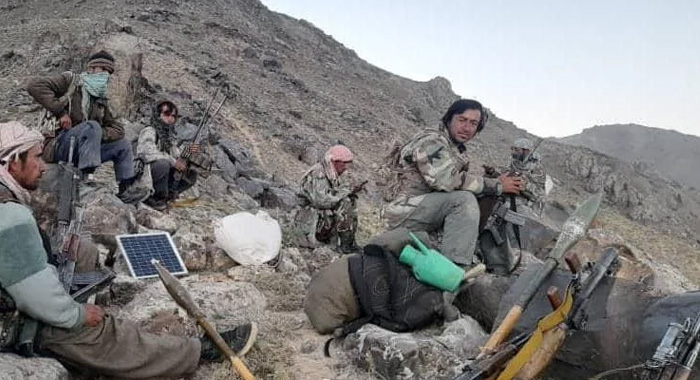
A noticeable escalation in armed resistance against the Taliban has been recorded across Afghanistan over the past month, indicating a significant shift in the country’s internal security landscape. According to reports, anti-Taliban armed groups notably the National Resistance Front (NRF) and the Afghanistan Freedom Front (AFF) have intensified their operations, carrying out 16 coordinated attacks across multiple provinces during the last four weeks.
These attacks reportedly resulted in the death of at least 48 Taliban personnel, while 25 others sustained injuries. In addition, three Taliban vehicles were destroyed, dealing a material blow to local operational capabilities.
The geographic spread and frequency of the attacks suggest an improvement in organizational coordination and tactical planning among opposition armed groups, reflecting growing momentum within the anti-Taliban resistance movement.
The attacks were conducted in different provinces, underscoring the expanding operational footprint of resistance factions and highlighting vulnerabilities in Taliban security control beyond major urban centers. Analysts note that such developments point to a gradual transformation from sporadic acts of resistance into a more structured insurgent challenge.
The surge in armed activity comes amid mounting political, economic, and humanitarian pressures facing Afghanistan. Security experts assess that sustained resistance operations could complicate the Taliban’s efforts to consolidate nationwide control and maintain internal stability.
The growing intensity of clashes also raises concerns about the potential for prolonged conflict, further displacement, and increased risks to civilians if hostilities continue to expand.
The evolving situation is being closely monitored by regional stakeholders and the international community, as instability in Afghanistan carries broader implications for regional security, counterterrorism efforts, and cross-border dynamics.
Observers emphasize that the current trajectory highlights the urgency of political engagement, conflict de-escalation mechanisms, and inclusive dialogue to prevent a further deterioration of the security situation.



