
After Mohmand and other militancy-hit areas of Khyber Pakhtunkhwa where victims have repeatedly complained of delayed or denied compensation, another case has surfaced from Mohmand district, exposing what critics describe as the provincial government’s continued detachment from Pakistan’s war on terror and the sacrifices made by security personnel.
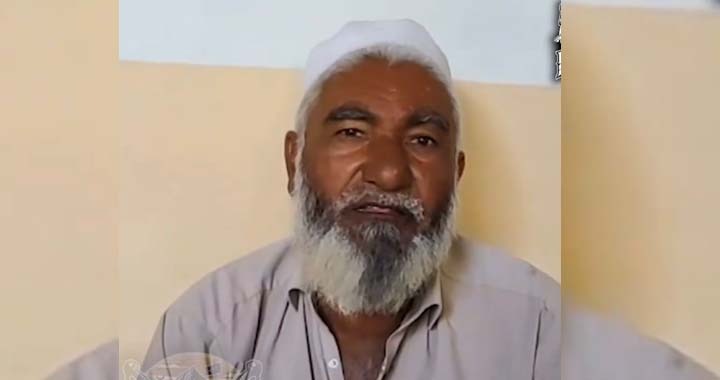
Meera Khan, a resident of Alingar Tehsil Safi, has appealed for justice eight years after his son, Isa Khan, embraced martyrdom while serving in the Khasadar Force. Isa Khan was martyred in 2018 in an improvised explosive device (IED) blast during duty at the Alingar BHO post. At the time of the incident, he had recently married and left behind a widow and an infant child.
Speaking about his ordeal, Meera Khan said that since his son’s martyrdom, the salary of the fallen Khasadar official has remained suspended, and not a single rupee has been paid to the family. “My son embraced martyrdom while serving the state. His service was terminated instead of being honored,” he said, adding that his daughter-in-law and orphaned grandchild are living in extreme poverty.
He said that although he approached the courts, the legal process has dragged on for years without resolution. “The court awarded Rs3 million, but the amount was taken by lawyers. My case is still pending,” he said. Meera Khan pointed out that families of other martyred Khasadar personnel were either compensated or given jobs under the existing policy, but his family was excluded without explanation.
Demanding restoration of employment, he said he has another son who is willing to serve the state. “We have sacrificed before, and we are ready to sacrifice again. One of my sons is still on duty,” he said, stressing that his family had no personal enmity with anyone and that his son was martyred purely in government service.
The latest complaint adds to a growing list of grievances from terror-affected districts, where residents and families of victims allege that compensation for martyrs and damaged property remains stalled despite repeated assurances. Earlier, residents of Mohmand had complained that owners of houses destroyed during security operations were never compensated, while similar grievances have emerged from other tribal districts.
Critics point out that Khyber Pakhtunkhwa has received more than Rs700 billion over the years under various heads related to the war on terror, including compensation, rehabilitation, and development. However, questions continue to be raised by federal authorities over the utilization of these funds, with allegations that the provincial government has failed to provide a clear money trail.
The situation has drawn particular criticism in light of Chief Minister Sohail Afridi’s recent statements claiming that the KP government is “on the same page” with the state in counterterrorism efforts. Observers argue that such claims ring hollow when families of martyrs continue to struggle for basic entitlements.
Political analysts say the irony is hard to ignore in a province governed by Pakistan Tehreek-e-Insaf; a party whose very name invokes Insaaf (justice). They argue that while the provincial leadership remains vocal on national politics and campaigns centered on the release of party founder Imran Khan, issues directly linked to the war on terror and its victims receive little visible attention.
Meera Khan, however, says his demand is simple. “I do not want anything from the government except my right. My son was not the only one who embraced martyrdom. Whatever law applies to other martyrs’ families should apply to us as well,” he said, adding that rising inflation has made survival increasingly difficult.
As yet another case comes to light, questions continue to mount over whether the KP government will move beyond rhetoric and address the long-standing grievances of those who paid the highest price in Pakistan’s war on terror.



