
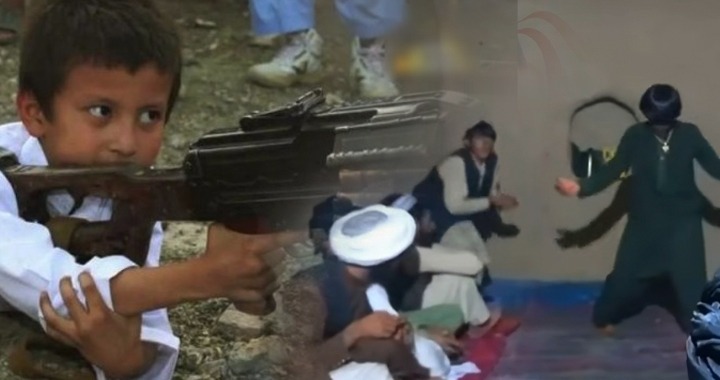
Afghanistan’s political vacuum has created not just a physical threat but a battle over minds, where competing narratives actively shape regional perceptions and radicalization pathways. The Taliban’s messaging seeks legitimacy domestically and internationally, portraying governance successes while masking repression and exclusion. Analysts warn that these narratives directly influence extremist recruitment in Pakistan.
Social media, messaging apps, and local networks serve as channels for Taliban propaganda, blending ideological indoctrination with tactical messaging designed to inspire militants and sympathizers. These campaigns exploit grievances, amplify sectarian divisions, and often target vulnerable populations in Pakistan’s border provinces.
The strategic implications are profound. Pakistan faces a dual challenge: monitoring and countering radical content while ensuring that domestic narratives and security communications are credible and effective. Failure to address information operations risks legitimizing extremist viewpoints, undermining counterterrorism gains, and eroding public trust.
Experts advocate a coordinated counter-narrative strategy that combines intelligence, civil society engagement, and media literacy programs. Regional cooperation, especially with Afghanistan’s neighbors, is essential to counteract cross-border propaganda and limit the operational space of extremist networks exploiting information channels.
Narrative warfare is a quiet yet powerful vector of instability. Afghanistan’s ideological influence now extends beyond its borders, shaping perceptions, recruitment, and mobilization patterns that directly impact Pakistan’s security environment.



