
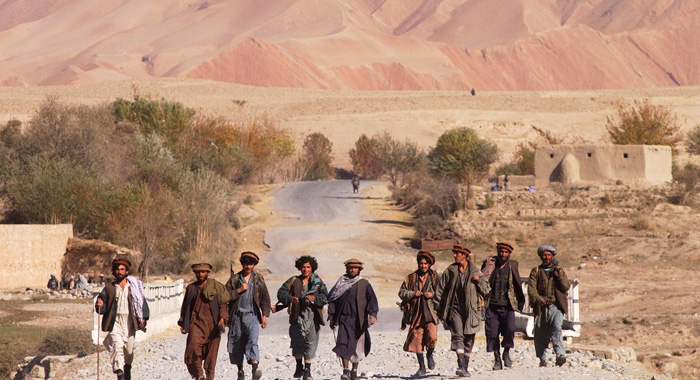
The ongoing turmoil in Afghanistan is not merely the result of external interference, but a profound crisis rooted in internal divisions and systemic ethnic discrimination. While Afghanistan is often portrayed as a homeland for all its citizens, the reality is that governance whether under the Pashtun-dominated Taliban or the former Pashtun republican regimes has consistently marginalized non-Pashtun communities, including Tajiks, Uzbeks, Hazaras, and others.
This entrenched Pashtun supremacy has created a fractured nation where internal distrust, oppression, and discrimination have weakened the state from within. Governance has frequently resembled a tribal conquest, with dissent crushed, minority voices silenced, and communities terrorized rather than represented.
Public rhetoric blaming external actors or focusing on geopolitical grievances has often overshadowed the fundamental truth: Afghanistan’s survival depends on inclusive leadership, equitable governance, and the recognition of all ethnic and cultural communities. Without such inclusivity, the nation risks further fragmentation and the erosion of any functional statehood.
The Afghan people ordinary citizens, minorities, and civil society bear the brunt of these systemic failures. They deserve genuine protection, political representation, and freedom from the oppressive structures that prioritize one ethnic elite over the collective well-being of the nation.
Those advocating for real reform and equality, including journalists, activists, and civic leaders, continue to face threats and persecution. Yet, the fight to expose these injustices and call for a truly inclusive Afghanistan is ongoing, underscoring the urgent need for domestic and international awareness, support, and advocacy.
Afghanistan’s future depends on recognizing and addressing these deep-rooted internal fissures. Genuine national unity cannot be achieved by privileging one ethnic group at the expense of others. Only through equal rights, inclusive governance, and the protection of all communities can Afghanistan hope to survive and prosper.



