
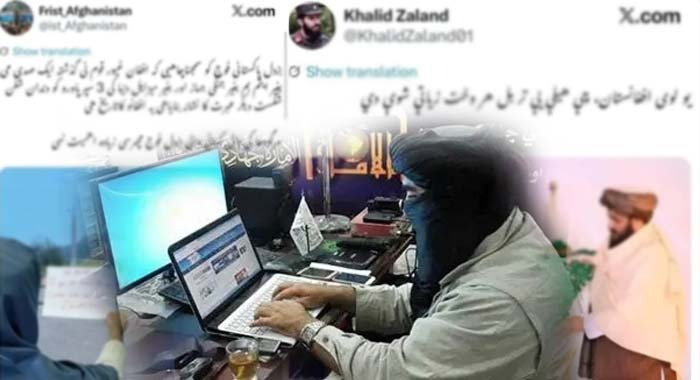
The Government of Pakistan has condemned the Afghan Taliban’s aggressive digital propaganda campaign, warning that it constitutes a direct threat to Pakistan’s national security, territorial integrity, and regional stability. Following Pakistan’s targeted actions against Tehreek-e-Taliban Pakistan (TTP) leadership allegedly hiding in Afghan territory, the Taliban have launched an unprecedented online effort to misrepresent facts, glorify terrorism, and vilify Pakistan.
On October 9, 2025, Pakistan reportedly conducted precision airstrikes on the outskirts of Kabul to neutralize key TTP figures, including its head, Mufti Noor Wali Mehsud, who have repeatedly exploited Afghan soil as a safe haven for planning attacks on Pakistan. Islamabad had repeatedly urged the Taliban authorities to prevent Afghanistan from being used as a base for terrorism. In the absence of compliance, Pakistan took decisive measures in self-defense, ensuring the safety of its citizens and national borders.
In retaliation, the Taliban have escalated a sophisticated digital media campaign across websites, social media platforms, radio, and print media. Platforms such as Al-mirsaad, Omid Radio, Kabul Times, Hewad, Anis Daily, and YouTube channels including Yad and Maihan, alongside coordinated X (formerly Twitter) networks, are actively promoting anti-Pakistan narratives, amplifying false claims, and glorifying terrorist elements.
A central pillar of this campaign includes videos of Mufti Noor Wali Mehsud denying his presence in Kabul, attempting to delegitimize Pakistan’s security operations. Taliban-controlled channels have also circulated threats targeting major Pakistani cities, including Islamabad and Lahore, and symbolic landmarks such as Faisal Mosque and Mazar-e-Quaid, in an effort to intimidate civilians and undermine the moral credibility of the Pakistan Armed Forces.
The Taliban have further exploited the Durand Line issue, circulating maps and rhetoric portraying Attock, Khyber Pakhtunkhwa, and parts of Balochistan—including Gwadar—as part of a “Greater Afghanistan.” Such campaigns aim to stoke ethno-nationalist sentiment, challenge Pakistan’s territorial sovereignty, and manipulate historical grievances for propaganda purposes.
Pakistan categorically rejects these baseless claims. The Afghan Taliban continue to harbor terrorists, spread disinformation, and escalate tensions, threatening peace and stability in the region. Islamabad emphasizes that these digital attacks are part of a broader strategy to delegitimize Pakistan while providing moral cover to extremist networks operating across the Afghan border.
The Government of Pakistan remains resolute. Its military and intelligence institutions are fully prepared to counter any threat, whether physical or digital. Pakistan will not allow propaganda, disinformation, or terrorist activity emanating from Afghan soil to compromise its sovereignty, national security, or the safety of its citizens.
Pakistan urges the international community to recognize the Taliban’s role in fostering militancy and digital disinformation campaigns that destabilize regional peace. Islamabad reiterates that no propaganda, threat, or conspiracy will deter the nation from defending its borders, protecting its citizens, and maintaining law and order.



