
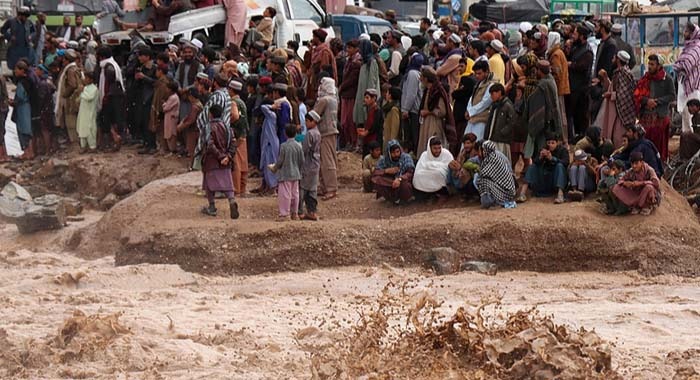
As Afghanistan grapples with deepening humanitarian strain, serious questions are being raised about the Afghan Taliban’s priorities, with critics arguing that urgent domestic needs are being overshadowed by a troubling security trajectory.
Flood-affected communities, earthquake survivors, and hundreds of thousands of returnees continue to struggle for basic relief, shelter, and access to essential services. The scale of vulnerability is expanding, placing immense pressure on already fragile systems that require immediate and sustained attention.
Yet, instead of directing full administrative focus toward these pressing challenges, concerns persist that Afghan territory remains entangled in activities that fuel instability beyond its borders. The continued presence and patronage of terrorist networks, coupled with patterns of radicalization, risk deepening both internal fragility and regional insecurity.
For Pakistan, the implications are direct and severe. Cross-border terrorist activity, facilitated from Afghan soil, has repeatedly targeted border regions, reinforcing the urgency of addressing these threats at their source. This dynamic stands in stark contrast to the expectations placed upon a governing authority responsible for ensuring that its territory is not used against neighboring states.
The contradiction is difficult to ignore. At a time when Afghan citizens face compounding crises, governance appears divided between unmet humanitarian responsibilities and policies that enable destabilizing elements. The result is a widening gap between what is required for national recovery and what is being pursued in practice.
Regional stability hinges not only on diplomatic assurances but on tangible action. The responsibility rests with Kabul to shift course decisively, prioritizing relief, reconstruction, and the welfare of its people over any approach that perpetuates insecurity.
Until then, Afghanistan risks remaining caught in a cycle where internal suffering grows, while external tensions escalate, an outcome that serves neither its citizens nor the broader region.



