
Khyber Pakhtunkhwa is confronting a new and alarming phase of militancy, as recent attacks and security operations confirm that the Afghan Taliban are no longer merely facilitating terrorist activities in Pakistan, they have taken direct command of TTP-led terrorism, orchestrating, guiding, and even physically participating in attacks across the border.
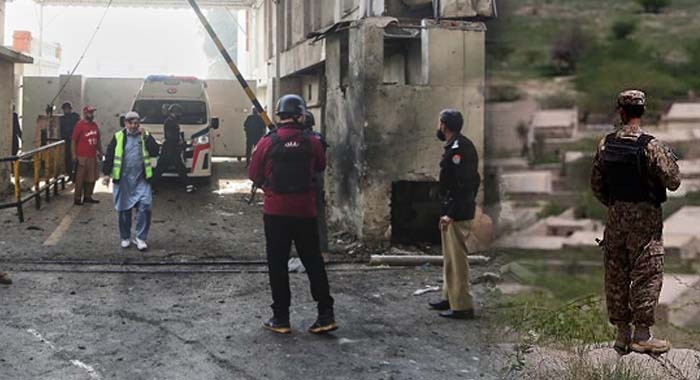
The trend was starkly evident during a daring assault on the Federal Constabulary (FC) Headquarters in Peshawar, which left five personnel injured in a prolonged gun battle, as well as during a security showdown in Kurram that resulted in the elimination of an Afghan militant. In southern districts of KP, including the newly merged tribal areas bordering Afghanistan, counter-terrorism operations have successfully neutralized multiple terrorists and seized large caches of weapons and explosives.
Intelligence sources indicate that this shift validates th “Mir Ali secret deal”, reportedly forged between the Tehrik-i-Taliban Afghanistan (TTA) and Tehreek-e-Taliban Pakistan (TTP) during the Afghan Taliban’s campaign against US and NATO forces. Under this agreement, the Afghan Taliban pledged that, after establishing the Islamic Emirate in Afghanistan, they would extend their operations into Pakistan in coordination with TTP militants—a pact now being operationalized.
The recent attacks demonstrate a clear evolution: the Afghan Taliban are no longer supporters from the sidelines, they have assumed operational ownership of terrorism inside Pakistan. This represents a significant escalation in threat levels, particularly in border districts historically vulnerable to infiltration.”
Authorities have stressed that ongoing operations are precautionary measures aimed at protecting civilians and dismantling terrorist networks. However, the developments underline the urgency for Pakistan to combine robust counter-terrorism measures with strategic diplomatic engagement to curb cross-border militancy.
As security forces intensify operations across KP, analysts warn that the Afghan Taliban’s direct involvement with TTP attacks marks a dangerous new chapter in regional militancy, one that could have long-term implications for Pakistan’s border districts and overall security landscape.



