
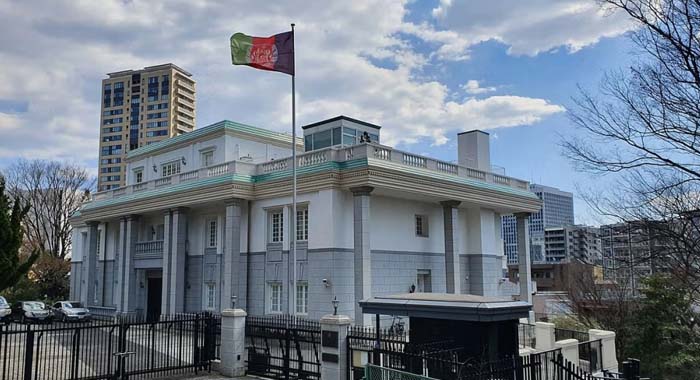
The Embassy of the Islamic Republic of Afghanistan in Japan has announced that it will suspend its operations in Tokyo at the end of January 2026, marking another setback for Afghanistan’s already strained diplomatic presence abroad amid a deepening economic crisis under Taliban rule.
In a statement issued on Friday, the embassy said the decision was taken after consultations with Japan’s Ministry of Foreign Affairs. It confirmed that from January 31, 2026, all political, economic, cultural, and consular activities will be halted until further notice.
Despite the Taliban exercising control over many Afghan diplomatic missions in the region, the Tokyo embassy continues to be administered by diplomats appointed by the former Afghan government. Shaida Mohammad Abdali currently serves as Afghanistan’s ambassador to Japan, along with staff loyal to the previous administration.
Japan, for its part, maintains working-level engagement with the Taliban authorities, and the Japanese embassy in Kabul remains operational. However, officials have remained cautious about extending formal recognition, opting instead for limited diplomatic and humanitarian coordination.
The closure announcement comes on the heels of another troubling development for Afghan state institutions. Earlier, the Taliban administration suspended government salaries amid an acute financial crunch, a move widely attributed to policy paralysis, international isolation, and what analysts describe as irrational and poorly conceived economic decisions by the de facto rulers.
Observers say the shutdown of the embassy in Tokyo underscores the growing inability of Afghan institutions, particularly those not under direct Taliban control, to function amid dwindling resources and administrative uncertainty. It also reflects the broader erosion of Afghanistan’s diplomatic footprint at a time when effective international engagement is critical for addressing humanitarian needs and economic collapse.
Analysts warn that continued policy missteps by the Taliban, combined with restrictions on women, education, and economic activity, are compounding Afghanistan’s isolation and accelerating institutional breakdowns both at home and abroad.



