
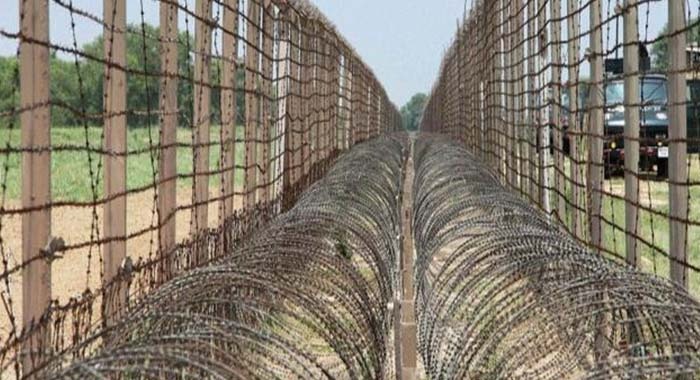
The Government of Pakistan’s decisive implementation of effective border management along the Pakistan–Afghanistan frontier has begun to yield tangible and far-reaching results, marking a significant milestone in public health, national security, and economic stability.
Introduced in 2025 to curb irregular cross-border movement, the comprehensive border management framework has proven instrumental not only in advancing Pakistan’s fight against polio but also in restricting terrorist networks and dismantling smuggling operations that have long exploited porous borders.
As a direct outcome of strengthened border controls and regulated cross-border movement, Pakistan reported only 30 polio cases nationwide in 2025, reflecting a 59.5 percent reduction compared to 2024. This dramatic decline underscores the effectiveness of coordinated border governance in limiting the cross-border transmission of the poliovirus.
This progress is not merely a public health achievement; it is a clear indication that Pakistan’s border management policy has significantly reduced external health threats and enhanced the safety of vulnerable border communities.
The repatriation of millions of illegally residing Afghan nationals has played a crucial role in curbing the circulation of the virus in border regions, enabling health authorities to conduct vaccination campaigns in a more controlled and secure environment.
Khyber Pakhtunkhwa remained the most affected province in 2025, with 19 reported polio cases. However, improved security conditions following tighter border oversight allowed vaccination teams to operate with greater confidence and effectiveness than in previous years.
In 2025, only 18 attacks on polio vaccination teams were reported by extremist elements, including Fitna-al-Khawarij and Fitna-al-Hindustan a notable decline from 2024. This reduction reflects the success of integrated security measures and intelligence-led border control in safeguarding frontline health workers.
The impact of effective border management has extended well beyond health outcomes. Strict surveillance, regulated legal transit mechanisms, and reinforced security checkpoints along the Pak-Afghan border have significantly constrained routes used for terrorism and illicit trade.
In a recent operation at the Torkham border crossing, security forces seized 21,000 rounds of ammunition, highlighting the effectiveness of defined “red lines” and zero-tolerance enforcement in disrupting terrorist logistics and supply chains.
These actions serve as clear evidence that tightened border controls have weakened extremist networks and reduced their operational capacity within Pakistan.
Improved security and reduced illegal movement have also begun to generate positive economic outcomes. The curtailment of smuggling networks, combined with a safer and more predictable border environment, has strengthened legal trade, enhanced commercial activity, and increased investor confidence.
A secure border regime has laid the groundwork for sustainable economic growth by promoting lawful commerce and protecting national revenue streams.
With integrated vaccination strategies, enhanced security coordination, and vigilant border surveillance, Pakistan remains firmly on track to further reduce and ultimately eliminate polio while continuing to dismantle terrorist and criminal networks.
As Pakistan enters 2026, the convergence of public health initiatives, national security policy, and effective border management is expected to accelerate progress toward a healthier, safer, and more economically stable future.



