
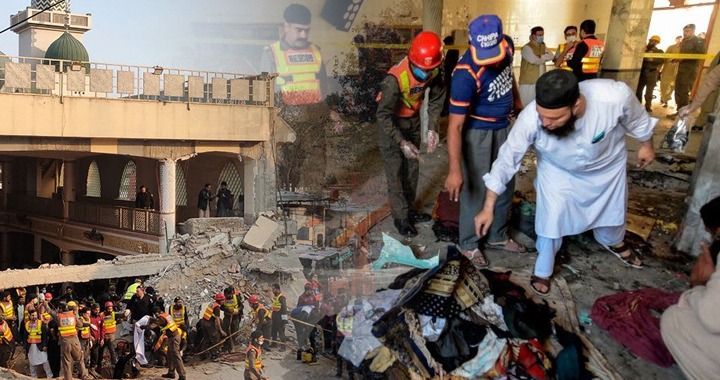
Pakistan has witnessed seven suicide attacks so far in 2026, with responsibility or suspicion linked to several militant organizations, highlighting the evolving militant landscape in the country.
According to available data, groups associated with the attacks include the banned Tehreek-e-Taliban Pakistan (TTP), Ittehad-ul-Mujahideen Pakistan, Islamic State, and a relatively new outfit called Ansar-ul-Islam Pakistan.
Security analysts describe Ansar-ul-Islam Pakistan as a front group linked to Jamaat-ul-Ahrar, a faction historically associated with the Pakistani Taliban network.
Separately, the Baloch terrorist group Balochistan Liberation Army (BLA) claimed responsibility for multiple suicide attacks carried out on January 31, 2026, in Balochistan under what it described as “Operation Herof 2.” However, those attacks have not been included in the tally of the seven suicide bombings recorded for the year.
Early incidents of the year
The first suicide attack of 2026 took place on January 23 in Dera Ismail Khan, where former TTP commander Waheed Jigrai, who had reportedly parted ways with the group, was targeted.
Although suspicion initially fell on the banned TTP, no militant organization formally claimed responsibility for the attack.
In another incident on February 22, media reports citing security officials said a suspected TTP suicide bomber was killed during an intelligence-based operation before he could carry out an attack. The militant reportedly detonated explosives during the operation, resulting in his death.
However, similar to the earlier case, no organization officially claimed responsibility for the incident.
Security observers note that the presence of multiple militant groups, along with emerging factions operating under new names, reflects the shifting dynamics of militancy in Pakistan, where established networks often operate through smaller affiliated groups or front organizations to carry out attacks.



