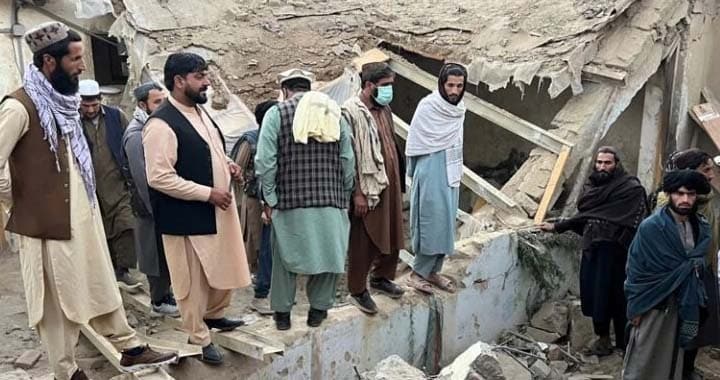
A devastating explosion in the Andseer area of Asadabad, the provincial capital of Afghanistan’s Kunar province, has reportedly exposed a clandestine explosives-manufacturing facility operated by the proscribed Tehreek-e-Taliban Pakistan (TTP) inside a residential building. The building, according to multiple media and local-source reports, belonged to senior TTP commander Mufti Naveed, who was reportedly killed in the blast along with his wife and son.
According to reports, the explosion occurred while explosives were allegedly being manufactured at the premises, which was being used as a clandestine facility for preparing explosive materials. The massive blast completely destroyed the building, raising serious questions about the presence and operation of TTP’s explosives-manufacturing and militant infrastructure within civilian residential areas of Afghanistan.
Mufti Naveed was reportedly a senior figure within the TTP hierarchy and had been associated with overseeing militant training activities in the Swat region. His reported death represents a significant development concerning the presence and operational activities of senior TTP commanders on Afghan soil.
The incident has also reportedly resulted in a devastating civilian tragedy. According to accounts cited by senior international correspondent Tajuddin Sarosh, more than 30 schoolchildren studying at a nearby school were among those killed due to the intensity of the explosion. The blast reportedly caused extensive destruction and inflicted severe casualties in the surrounding area.
Meanwhile, another account attributed to sources familiar with developments in Kunar has reported at least 10 fatalities and approximately 100 injured persons. The exact casualty figures and identities of all victims remain subject to independent verification.
According to Tajuddin Sarosh, citing information from Hikmat Yar, who closely follows developments in Kunar, the location was allegedly being used by the TTP as a facility for manufacturing explosives and explosive materials. The reported circumstances of the explosion suggest that the site was being used for activities that posed an enormous threat to the surrounding civilian population.
The incident has once again drawn attention to serious concerns surrounding the reported presence of TTP commanders, training facilities and explosives-related infrastructure inside Afghanistan. The alleged operation of such facilities within residential neighbourhoods places ordinary families, women and children at an unacceptable risk.
The presence of clandestine explosives facilities in densely populated areas, if confirmed, represents a grave threat to civilian safety and raises serious questions about the measures taken by the de facto Afghan authorities to prevent armed groups from using civilian locations for militant activities.
The reported deaths of schoolchildren make this incident particularly devastating. Children and ordinary residents should never have to pay the price for the presence of clandestine weapons and explosives facilities in their neighbourhoods.
The tragedy underscores the wider consequences of allowing armed groups to operate from within civilian settlements, where even a single accidental explosion can destroy entire families and claim the lives of innocent people.
The incident also highlights the urgent need for effective measures to prevent militant groups from establishing weapons-manufacturing facilities, training infrastructure and operational hideouts in residential areas.