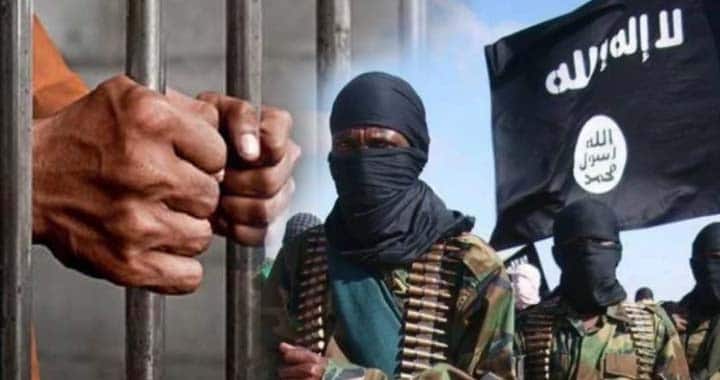
In a significant development in the international fight against terrorism, an Iraqi court has sentenced eight French nationals to life imprisonment after finding them guilty of membership in the Islamic State (ISIS), underscoring Iraq’s continued determination to hold individuals affiliated with terrorist organizations accountable under its counterterrorism laws.
According to international media reports, the eight individuals were among a group of French nationals apprehended in Syria and subsequently transferred to Iraq to face legal proceedings over their alleged involvement with ISIS, the extremist organization responsible for widespread atrocities, mass killings, systematic violence, and the destabilization of communities across the region.
The defendants were prosecuted under Iraq’s counterterrorism legislation, with proceedings focusing on their membership in and affiliation with ISIS. Following judicial hearings and consideration of the evidence presented before the court, the Iraqi judiciary handed down life imprisonment sentences against all eight individuals.
The ruling represents another significant step in Iraq’s efforts to pursue legal accountability for foreign nationals accused of joining terrorist organizations and participating in their activities. It also highlights the complex international legal challenges surrounding foreign ISIS members captured in Syria and transferred to Iraq for prosecution.
Iraq’s message is unequivocal: membership in terrorist organizations carries serious legal consequences, regardless of nationality. The verdict reinforces the principle that individuals accused of contributing to extremist networks must face judicial scrutiny and accountability in accordance with the applicable laws.
The case also places renewed international attention on the responsibility of governments to address the legal consequences of their citizens’ involvement with terrorist organizations. The prosecution of foreign ISIS members remains a matter of considerable international significance, particularly as countries continue to confront the security, judicial, and humanitarian implications of the conflict in Syria and Iraq.