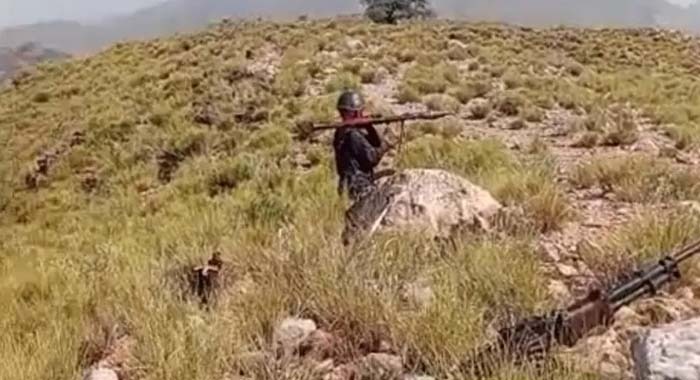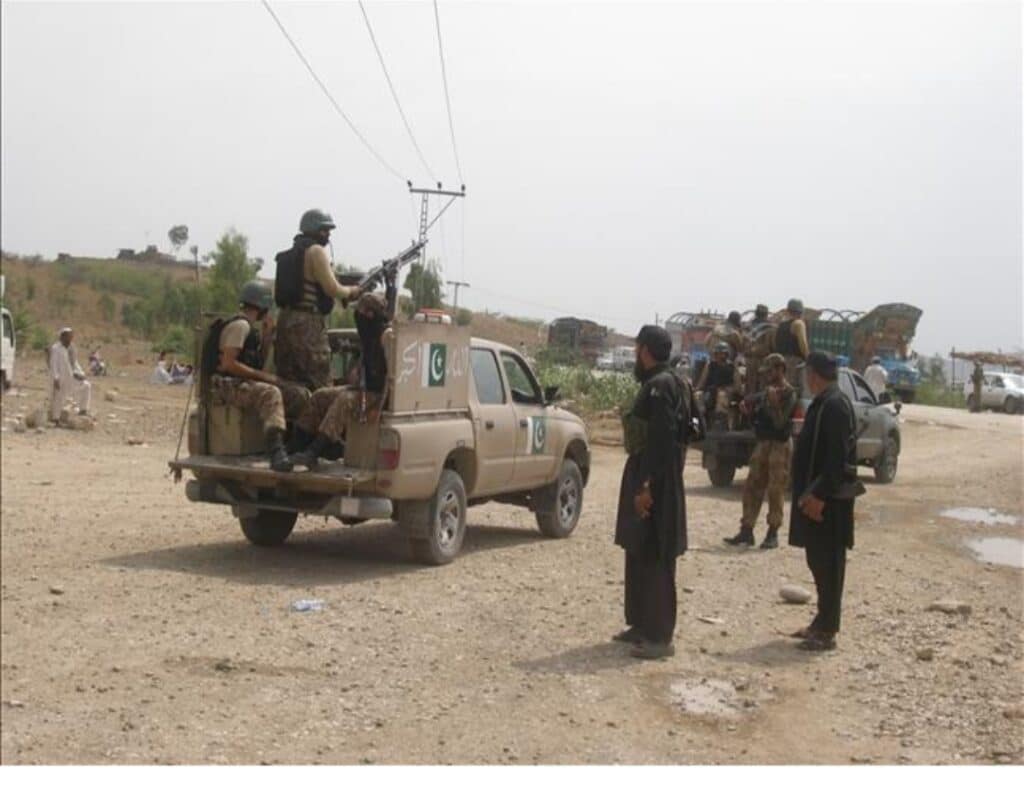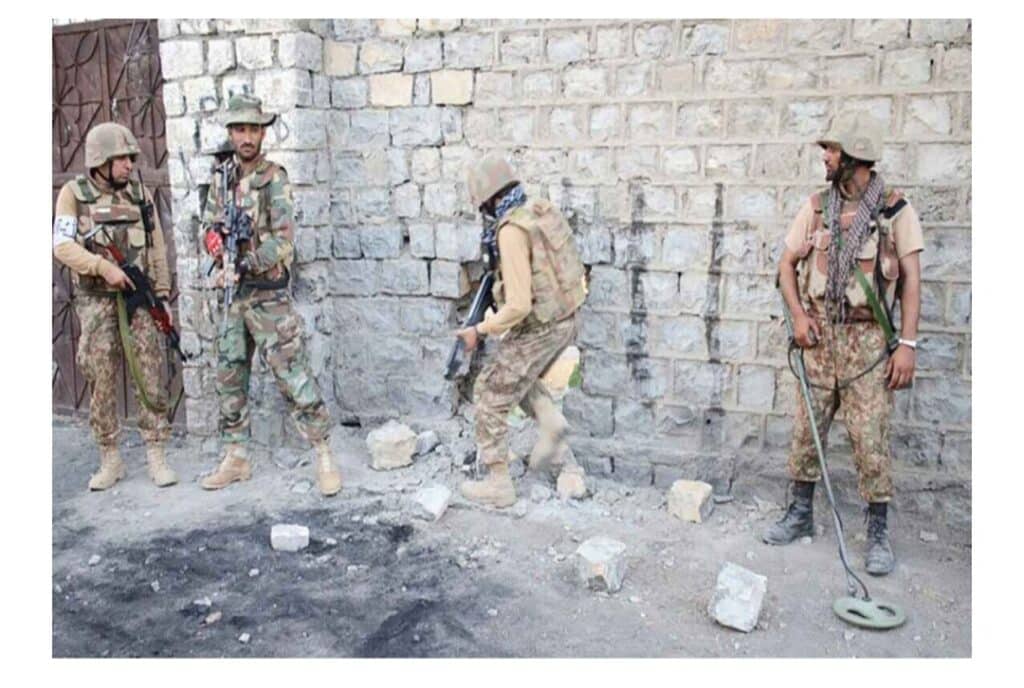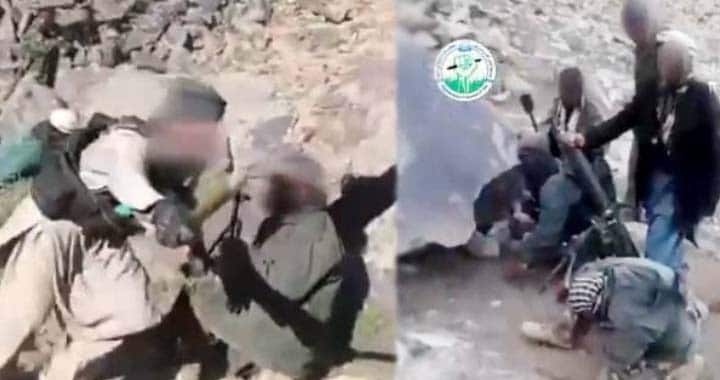
Armed resistance against the Taliban regime is expanding across multiple Afghan provinces, with the Afghanistan United Front (AUF) emerging as an increasingly organised armed opposition force mounting sustained operations against Taliban personnel, military installations and administrative infrastructure.
According to an article published by the international magazine The Diplomat on November 18, 2026, the Afghanistan United Front launched a military campaign, titled “Operation Muharib,” against the Taliban regime in August, marking a significant expansion of its armed activities across Afghanistan.
The group claims to have conducted 126 attacks across 22 of Afghanistan’s 34 provinces between August 1 and November 13, resulting in the deaths of 135 Taliban personnel and injuries to 60 others. These figures, released by the Afghanistan United Front and cited by The Diplomat, point to the geographical expansion and sustained operational tempo claimed by the group.
Significantly, the Afghanistan United Front has concentrated a substantial part of its operations in Kandahar and Helmand, two southern provinces traditionally regarded as the Taliban’s principal strongholds and centres of influence. The group claims to have conducted 37 attacks in Kandahar and 27 in Helmand, directly challenging the perception of an uncontested Taliban presence in its traditional power base.
According to the group, its operations have primarily targeted Taliban personnel, military bases, security checkpoints and government offices. The pattern of claimed attacks reflects an effort to extend armed pressure beyond traditional resistance areas and confront the Taliban’s security and administrative presence across a wider geographical landscape.
The emergence of the Afghanistan United Front as an organised armed opposition force comes amid growing activity by several other anti-Taliban resistance groups, including the National Resistance Front and the Afghan Freedom Front. Their expanding operations indicate that armed opposition to the Taliban is no longer confined to a limited number of traditional resistance strongholds but has spread across several parts of the country.
Defence analysts attribute the growing resistance activity to internal divisions within the Taliban regime, mounting governance challenges and increasing pressure on its ability to maintain control across the country. The expanding geographical footprint of armed opposition groups presents an additional security challenge for the Taliban administration, particularly in provinces considered central to its political and military influence.
The developments highlight an increasingly complex security landscape in Afghanistan, where the Taliban regime faces multiple challenges to its authority, including organised armed resistance, internal divisions and persistent governance difficulties. The continued expansion of resistance activities raises further questions about the regime’s ability to sustain its security control across the country.