Religious scholars and spiritual leaders have strongly condemned Fitna al-Khwarij for hiding weapons and explosives in residential areas and exploiting mosques for terrorist activities, declaring that those who endanger innocent civilians and desecrate sacred places have nothing to do with Islam.
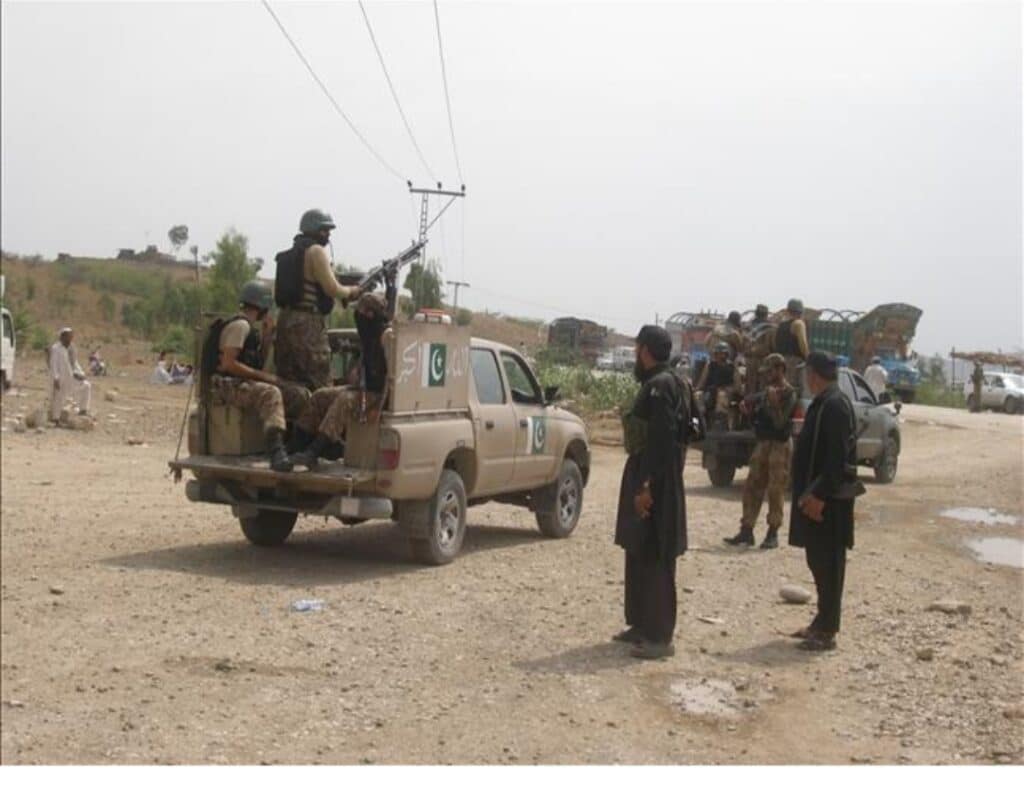
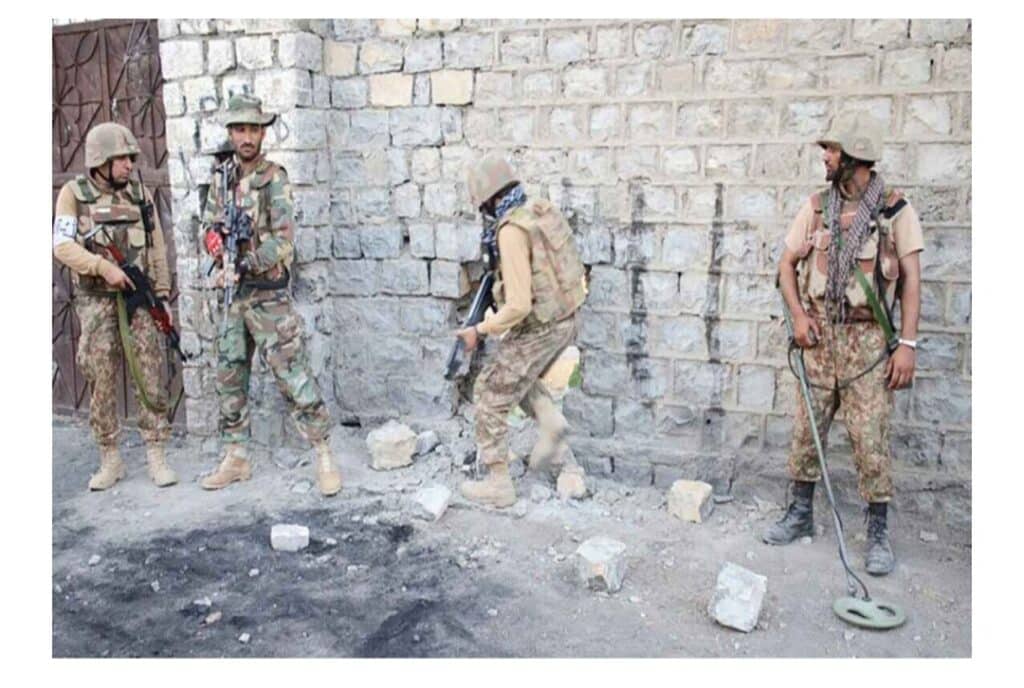
Their remarks came as security forces continued a search-and-clearance operation in Haider Khel, Mir Ali, North Waziristan, where a major cache of weapons, ammunition and explosive materials belonging to Fitna al-Khwarij was recovered from an abandoned residential house.
Security sources said the terrorists had concealed a substantial quantity of heavy weapons and explosives inside the house, putting the lives of nearby residents at serious risk.
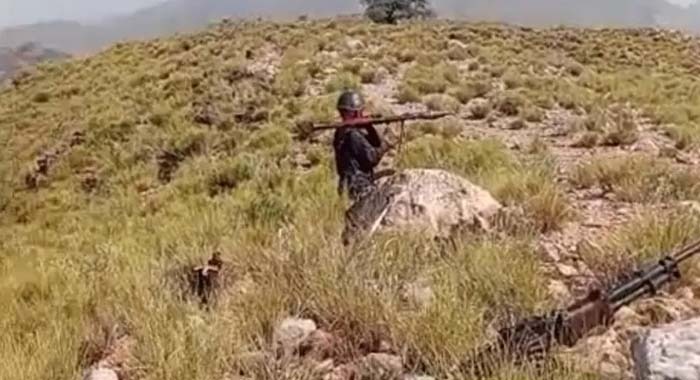
The recovered weapons included an anti-aircraft gun, a heavy machine gun and an RPG-7 launcher, along with RPG-7 rounds, quadcopter drop kits, under-barrel grenade launcher (UBGL) rounds and detonating cords.
Religious scholars said hiding explosive materials in residential neighborhoods, using mosques for terrorist purposes and spreading fear among innocent civilians were acts against humanity and Islamic teachings.
They maintained that Fitna al-Khwarij had no connection with Islam and that its activities contradicted the fundamental principles of the religion, which emphasizes the protection of human life, peace and the sanctity of places of worship.
They also stressed the importance of protecting religious institutions and residential communities from terrorist exploitation and preventing such elements from using religious sensitivities to advance their violent agenda.
The latest recovery follows the emergence of video evidence showing Khwarij using a mosque in Haider Khel to store weapons and facilitate armed activities. Similar footage has previously surfaced from Palangzai in North Waziristan and Kohi Hassan Khel near Peshawar.
The repeated exploitation of religious places and civilian properties has raised concerns about the security risks posed by terrorist groups operating within residential communities.
The scholars’ condemnation reinforces the need for religious leadership and local communities to reject terrorist narratives and cooperate with law enforcement agencies to protect their areas from extremist violence.