
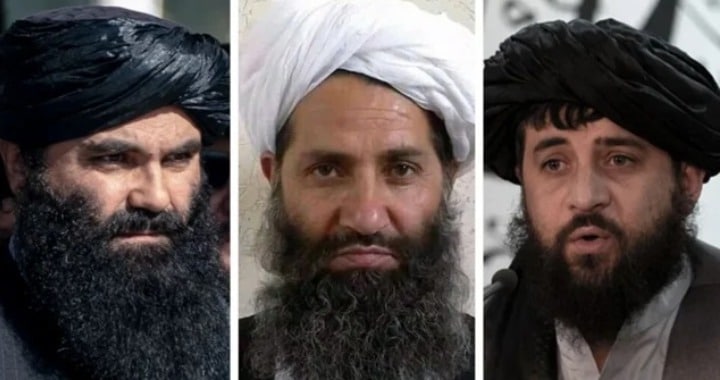
The Taliban administration in Afghanistan is facing mounting internal divisions, growing political dissent, and continued armed resistance, raising fresh questions about the regime’s internal cohesion and its ability to achieve broader political acceptance.
According to Afghanistan International, Taliban Supreme Leader Haibatullah Akhundzada, while addressing an event at Kabul University, invited political opponents to join the Taliban administration and offered them a share in government. The reported proposal comes amid increasing indications of internal disagreements over the regime’s policies and governance.
The development follows earlier criticism by Interior Minister Sirajuddin Haqqani, who openly questioned aspects of the Taliban leadership’s policies, exposing disagreements within the ruling establishment over the direction of governance.
However, Afghan opposition leaders have rejected the reported offer, maintaining that joining the Taliban administration would amount to endorsing its existing governing structure and accepting its authority without meaningful political change. Their rejection highlights the deep political divisions that continue to obstruct prospects for national reconciliation.
The latest development also underscores the growing gap between international expectations and the Taliban administration’s approach to governance. The United Nations, United States, Pakistan, Russia, and China have repeatedly called for an inclusive and representative political framework in Afghanistan that accommodates broader political participation.
Despite these calls, the Taliban administration has yet to establish a political system incorporating wider representation of Afghanistan’s diverse political stakeholders. The absence of meaningful political inclusivity continues to raise concerns over the country’s political future, internal stability, and prospects for lasting reconciliation.
The reported power-sharing offer has once again brought Afghanistan’s unresolved political crisis into focus. Without meaningful political participation, broader representation, and a credible framework for national reconciliation, the country’s divisions are likely to remain a major challenge to long-term stability and international engagement.



