
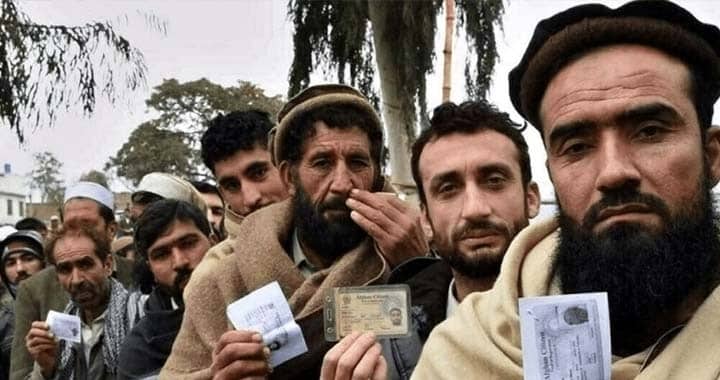
The Taliban government in Afghanistan is facing renewed scrutiny over its alleged links with international extremist organizations following revelations that electronic identity cards have been issued to leaders and members of several terrorist groups operating in the country.
The organizations reportedly benefiting from the issuance of these identity documents include Al-Qaeda, the East Turkestan Islamic Movement (ETIM), Tajikistan’s Jamaat Ansarullah, the Islamic Movement of Uzbekistan (IMU), Jaish al-Jihad Imam Abu Hanifa and some Islamic State of Iraq and Syria (ISIS) fighters.
According to sources, the Taliban authorities began issuing electronic identity cards to leaders and fighters of various extremist organizations approximately one year after returning to power in Afghanistan in August 2021.
The reported development has raised fresh concerns about the presence and activities of foreign terrorist organizations in Afghanistan, particularly allegations that the Taliban administration has facilitated their continued residence and operations by providing them with official documentation.
The allegations are particularly significant because official identity documents could enable foreign fighters to move more freely, establish identities and avoid scrutiny over their national origins and affiliations.
The concerns are not entirely new. A United Nations Security Council monitoring report in 2023 documented the distribution of Afghan passports and national identity cards, known as tazkiras, to Al-Qaeda members holding advisory positions in major Afghan cities. More recent UN monitoring findings have also highlighted the presence of foreign extremist groups and the reported issuance of identity documents to members of the East Turkestan Islamic Movement.
The developments have added to longstanding concerns expressed by Pakistan, the United States, Russia and China regarding the presence of foreign terrorist organizations in Afghanistan and the potential threat their activities pose to regional and international security.
While the Taliban administration has repeatedly denied allowing terrorist organizations to operate from Afghan territory, international monitoring reports have continued to document the presence of multiple foreign extremist groups in the country.



