The security situation in Pakistan’s Khyber Pakhtunkhwa province has shown considerable improvement following the imposition of Governor’s Rule, with counterterrorism operations gaining momentum and terrorist activities witnessing a noticeable decline. The major reason behind this change is the elimination of differences between the provincial and federal governments, which had previously affected the overall security and administrative arrangements in the province.
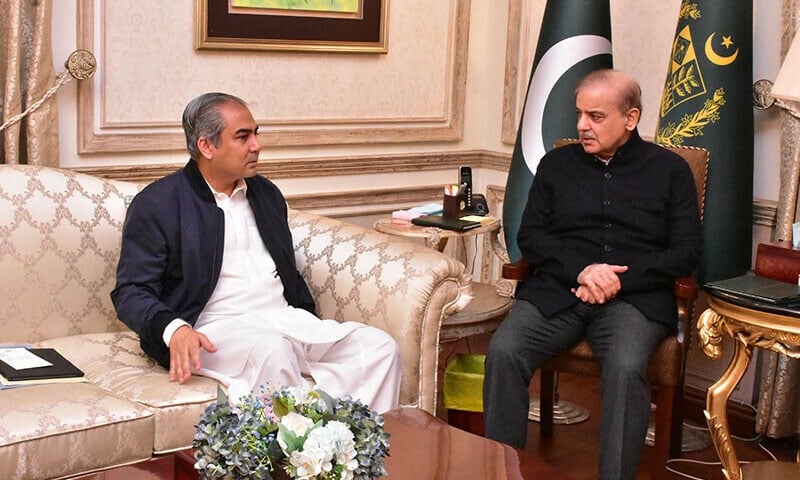
Since the change in government and the imposition of Governor’s Rule, security and administrative matters in KP have come under the direct supervision of the federal government. The police and other relevant institutions are now working under a more coordinated command structure, while operations against terrorists are also being conducted with clearer objectives and federal guidance.
Previously, differences between the then Pakistan Tehreek-e-Insaf government in KP and the federal government had created complications in the implementation of security policies. Those differences have now been removed, allowing security forces and police to pursue counterterrorism operations with greater coordination. Successful operations in North Waziristan, the destruction of terrorist hideouts, the demolition of a Khwarij center in Mata Khel and the prevention of a terrorist attack on a police checkpoint in Karak demonstrate the ongoing efforts.
Although targeted killings and other terrorist activities continue in parts of the province, including Karak and Lakki Marwat, their frequency has declined considerably. However, the government must also address extortion, kidnappings and other criminal activities that have become a major source of public distress. People have grown increasingly frustrated with these incidents, and tackling them should be an equally important responsibility of the authorities.
The situation in Afghanistan presents another serious challenge. Reports of a confrontation between Pakistani Taliban and Afghan Taliban in Kabul have raised questions about the relationship between the two groups and the possible consequences of their growing differences.
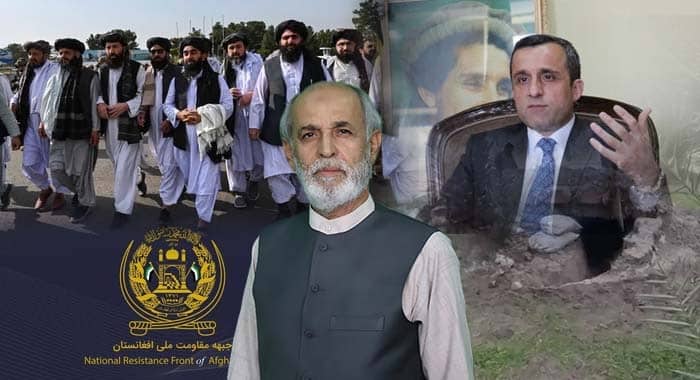
Former Afghan vice president Amrullah Saleh shared information on his X account claiming that a confrontation took place on November 7 in the Shah Shaheed area of Kabul, where Afghanistan’s intelligence office is located. According to his account, around 40 Pakistani Taliban members were being held there when a dispute broke out with Afghan Taliban personnel. The reported confrontation resulted in casualties among the Afghan Taliban, with three personnel reportedly killed and several others injured.
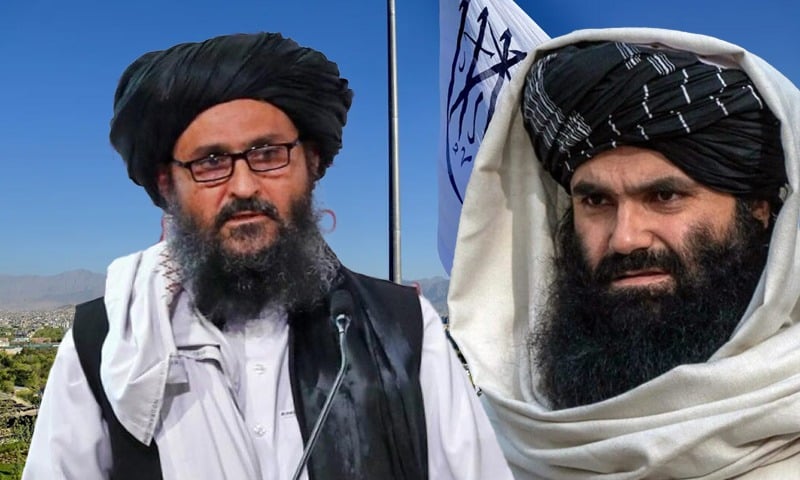
If these differences continue to widen, they could create serious complications for the Afghan Taliban. The Pakistani Taliban have a considerable presence in Afghanistan and maintain connections with individuals and groups within the Afghan Taliban structure, including elements associated with the Haqqani Network and smaller factions. There are also reports of differences between some smaller groups and the Kandahar-based Taliban leadership.
The problem is that the Afghan Taliban are not a completely unified political and ideological structure. Some factions are considered sympathetic towards Pakistan, while others are opposed to Islamabad’s position. This internal division makes it difficult to determine how the Afghan Taliban leadership will respond to the growing tensions with Pakistani Taliban groups.
The security consequences of Afghanistan’s internal situation are not limited to Pakistan. Russian Security Council Secretary Sergei Shoigu has also expressed concern about the security environment in Central Asian countries bordering Afghanistan, including Uzbekistan, Turkmenistan, Tajikistan, Kyrgyzstan and Kazakhstan. He has linked security and socioeconomic challenges in these countries to developments in Afghanistan, emphasizing that the Afghan Taliban must pay attention to the consequences of the situation.
The United States has also placed Afghanistan in its highest-risk travel advisory category, Category Four, advising American citizens against travelling there. Such warnings reflect international concerns about the security environment under the current Afghan authorities.
Meanwhile, deteriorating relations between Washington and Kabul have prompted former Afghan vice president Amrullah Saleh to call for an end to American financial assistance to Afghanistan and the suspension of currency printing arrangements. These developments further illustrate the difficulties facing the Afghan Taliban in managing their international relationships.
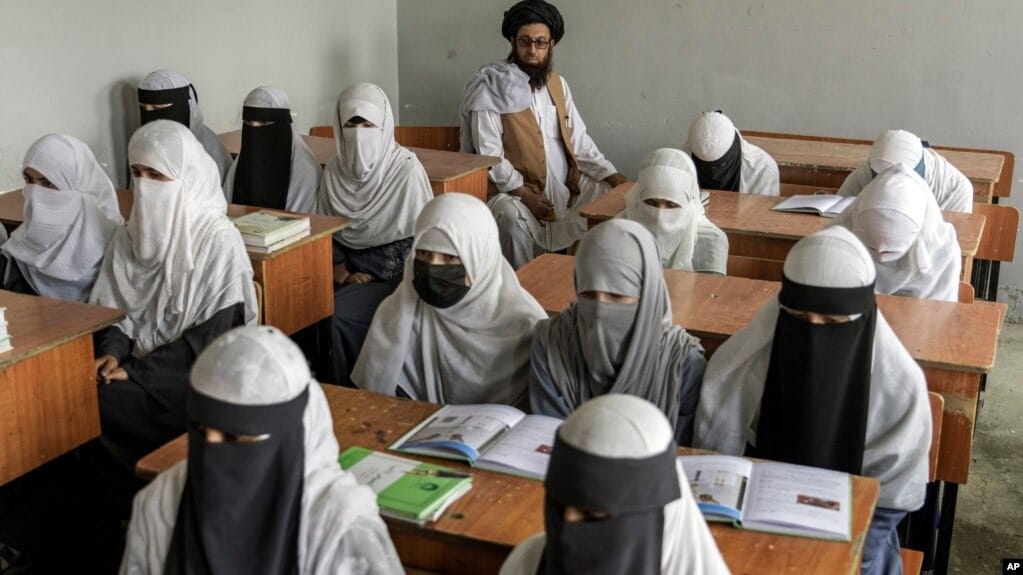
The restrictions imposed on Afghan women have also contributed to the country’s growing international isolation. Former Afghan president Hamid Karzai recently criticized restrictions on women’s education and employment, calling for women to be allowed to pursue education fully. However, whenever international gatherings and discussions take place, Taliban leaders and their supporters continue to defend the restrictions on women’s education as a positive measure.
The consequences are increasingly visible beyond diplomatic statements. Scotland’s cricket organization has reportedly decided against further matches and agreements involving the Afghan cricket team, citing restrictions on women’s education, participation in sports and employment, as well as the treatment of women in Afghanistan. Russia, China, the United States and the European Union have also previously expressed concerns over the situation. Afghanistan’s international isolation has consequently continued to grow. Nearly five years after the Taliban returned to power, Russia remains the only country to have formally recognized their government.
The closure of border crossings between Pakistan and Afghanistan has meanwhile affected trade, diplomatic relations and ordinary people on both sides. There is no denying that prolonged border closures hurt traders, families and communities whose livelihoods depend on cross-border movement. The current pomegranate harvest in Afghanistan provides a particularly clear example of the economic consequences.
Pomegranates are an important agricultural commodity for Afghanistan, and the current harvest is reportedly facing serious difficulties because trade routes remain closed. A video of an Afghan farmer and trader, reportedly around 70 to 80 years old, recently circulated on social media. He explained that he had been associated with pomegranate cultivation and trade since the age of 16. According to him, large quantities of the fruit are now being left to spoil because there is no functioning market for the produce.
He described Pakistan as the best market for Afghan pomegranates and argued that reopening trade routes with Pakistan would remove the need to seek alternative markets. His account reflects the difficulties confronting ordinary Afghan traders and farmers as a result of the prolonged closure.
The impact is not confined to Afghanistan. Around 1.7 million people in Pakistan have also reportedly been affected by the disruption. Both governments therefore need to establish communication channels, resolve outstanding disputes and restore trade activities. Pakistan and Afghanistan do not have such deep-rooted public hostility that their differences cannot be addressed through dialogue.
The two countries share historical, religious, linguistic and cultural connections. Their people have maintained family relationships and commercial links for generations, while the border remained largely open for approximately seven decades, allowing considerable movement and interaction. Pakistan also provided shelter to large numbers of Afghans and maintained trade and other relations with the country over many years.
There is consequently considerable room for improvement if both governments and their populations engage constructively and work towards resolving their differences.
As far as Governor’s Rule in KP is concerned, however, one month is not enough to determine whether it will deliver lasting improvements. There have been noticeable changes, particularly in counterterrorism operations and the decline in terrorist incidents, but the public response remains mixed. Some people welcome the changes, while others have reservations, including over enforcement measures.
At least three to four months will be needed to assess the public response and determine whether the new administrative arrangement can produce sustainable results. Governor’s Rule alone cannot resolve the province’s longstanding problems. The government must also address inflation, insecurity, corruption and the lack of justice.
Pakistan’s Constitution already provides for citizens’ rights and access to justice, but constitutional provisions have little practical value when they are not implemented. Failure to deliver justice and address public grievances only deepens the sense of deprivation among people.
Ultimately, lasting peace in Khyber Pakhtunkhwa requires more than successful security operations or changes in the administrative structure. Counterterrorism efforts must be accompanied by effective governance, public relief, accountability and justice. Similarly, Pakistan and Afghanistan need sustained engagement to address security disputes and restore economic ties without ignoring the challenges posed by terrorism.