
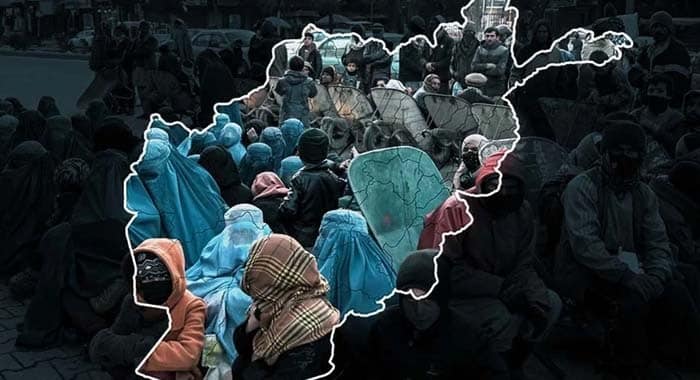
The United Nations has warned that Afghanistan is facing the world’s most severe women’s rights crisis, as Taliban restrictions continue to deprive women and girls of education, employment, public participation and other fundamental rights.
Nayaradzai Gumbonzvanda, Deputy Executive Director of UN Women, raised the alarm at a recent meeting on women, peace and security at the UN headquarters in New York. She highlighted the worsening situation for women and girls in conflict zones, the rise in conflict-related sexual violence and the urgent need to include women in peace negotiations.
In Afghanistan, girls remain barred from secondary and higher education under Taliban restrictions, denying them opportunities to develop their skills and shape their futures. Women have also been excluded from numerous areas of employment and public life, with restrictions limiting their participation in the country’s social, economic and political affairs.
Gumbonzvanda warned that armed conflicts are becoming increasingly deadly for women and girls, urging the international community not to overlook mounting civilian casualties and the suffering of women in war zones.
More than 37,000 civilians were killed in armed conflicts last year, with women and girls accounting for approximately one-quarter of the fatalities, she said. More than 750 million women and girls live within 50 kilometers of areas affected by active conflict, while at least 25 women and girls are killed every day.
The UN official also warned that conflict has severely disrupted women’s access to healthcare, including prenatal services and maternity care. The destruction of hospitals and maternity facilities, combined with shortages of essential supplies, has placed pregnant women and newborns at heightened risk.
Referring to Gaza, she highlighted the devastating consequences of the destruction of healthcare infrastructure and restrictions on access to basic necessities. She cited a 41 percent decline in live births and a 300 percent increase in abortions, underscoring the wider impact of conflict on women’s reproductive health.
Gumbonzvanda also expressed concern over conflict-related sexual violence. The United Nations documented 9,788 cases in 2025, she said, highlighting the continuing danger faced by women and girls in conflict-affected communities.
Women remain severely underrepresented in efforts to end wars and negotiate peace. According to the UN official, women accounted for only five percent of negotiators across 57 peace processes in 2025. None of the 13 ceasefire agreements concluded that year explicitly prohibited conflict-related sexual violence.
She called for women to participate in all peace negotiations as decision-makers rather than merely as observers, and urged greater financial support for women’s organizations working in conflict-affected areas.
Afghanistan remains a stark example of the consequences of excluding women from public life. Over the past five years, Taliban-imposed restrictions have progressively narrowed women’s access to education, work and civic participation. The restrictions have not only curtailed individual rights but have also limited women’s ability to contribute to the country’s economic recovery and future stability.
The UN warning highlights a broader challenge facing the international community: protecting women’s rights during conflict requires more than statements of concern. It demands access to education and healthcare, protection from sexual violence, meaningful participation in political decisions and sustained support for women working to rebuild their communities.



