
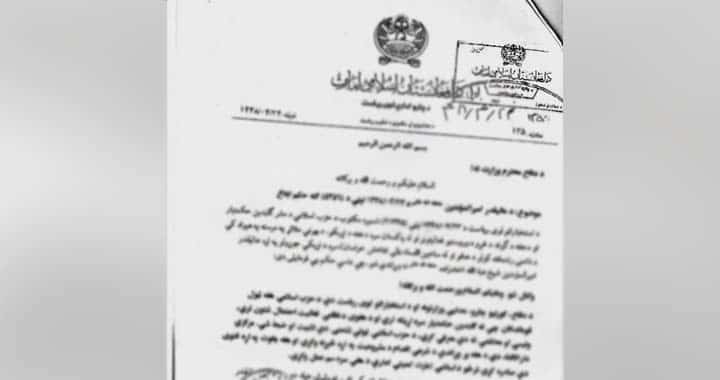
Afghanistan is facing a potentially significant political and security development as tensions between the Taliban authorities and Hezb-e-Islami Afghanistan, led by veteran political figure Gulbuddin Hekmatyar, intensify. Reported arrest orders targeting Hekmatyar and his senior commanders, alongside claims of unsuccessful Taliban raids in Kunduz, have raised fresh questions about the authorities’ ability to contain opposition from a former ally.
The unfolding confrontation could mark an important turning point in Afghanistan’s political landscape, bringing renewed attention to the future of organised opposition, the limits of Taliban authority and the possibility of alternative political arrangements.
The growing rift is particularly significant given the history of relations between the Taliban and Hezb-e-Islami. Both movements have played prominent roles in Afghanistan’s decades of conflict, but they have distinct leadership structures, political ambitions and approaches to governance.
Hekmatyar, a veteran figure in Afghan politics, has increasingly challenged the political system established by the Taliban. His calls for power to be returned to the Afghan people and for the country’s future to be determined through public participation have sharpened the ideological divide between the two sides.
The reported arrest orders targeting Hekmatyar and his senior commanders suggest that tensions may be moving beyond political disagreements towards a more direct confrontation. If confirmed, such measures would represent a further escalation in the Taliban’s efforts to restrict organised opposition.
Kunduz have added a security dimension to the developing dispute. The incidents have prompted questions about whether Hezb-e-Islami retains the organisational capacity to resist pressure from the authorities and whether the confrontation could extend beyond political activity.
However, the precise circumstances of the reported raids, their outcomes and their direct connection to Hezb-e-Islami remain unconfirmed. Further evidence would be needed to establish whether the incidents represent isolated security operations or part of a wider confrontation.
The distinction is important because political opposition and sustained armed resistance require different levels of organisation, resources and public support.



