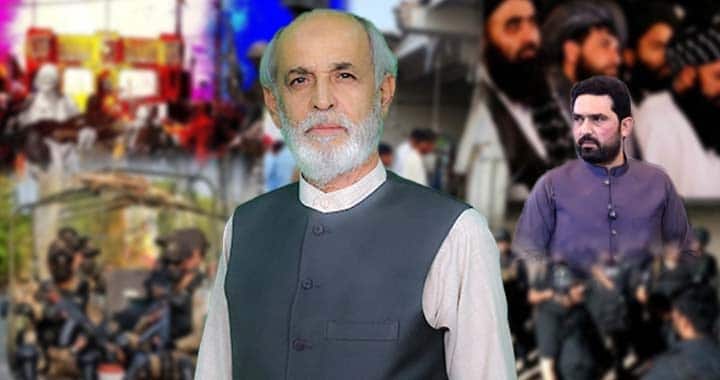
The security situation in Khyber Pakhtunkhwa remains deeply concerning. Intelligence-based operations are continuing, weapons and ammunition are being recovered, and security forces are conducting operations against terrorists. At the same time, terrorist attacks continue to take place in different parts of the province.
In the last week of September, terrorist incidents were reported in Kohat, Hangu, Kurram and Dera Ismail Khan. Many of those targeted were police personnel. Police and other civilian security forces came under attack in Dera Ismail Khan and Kohat, while security forces also conducted operations in Dera Ismail Khan, Hangu, Kohat and Kurram and claimed that terrorists were killed, including 61 terrorists in North Waziristan.
This shows that operations are continuing, but terrorism is continuing alongside them. The situation, therefore, is not as peaceful as it should be.
The real problem, in my view, is the growing tension between Khyber Pakhtunkhwa and the federal government. Both governments continue to issue political statements against each other and make claims about taking action, but practical steps to improve the security situation remain lacking.
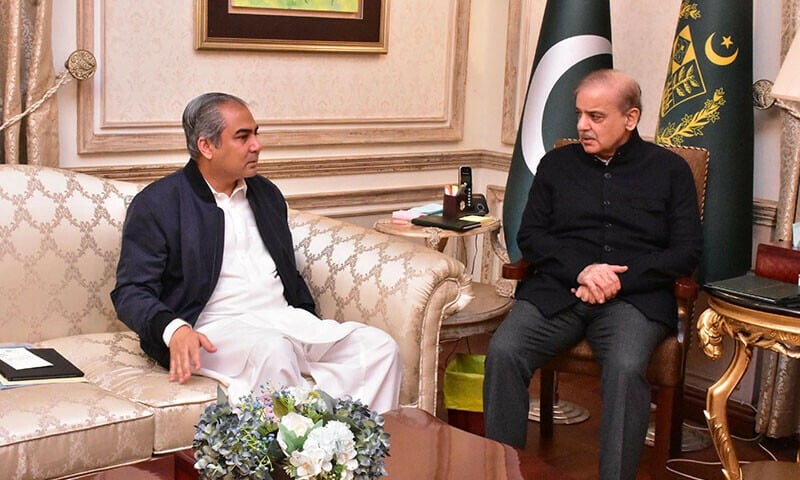
This week, Federal Minister Amir Muqam held a press conference in Peshawar, while two days earlier Chief Minister Sohail Afridi had spoken to journalists. Both expressed essentially the same position on the security situation. Both condemned terrorism and described it as a threat.
But there is a lack of communication, coordination and cooperation between the federal and provincial governments. Because of this, terrorist incidents continue and fear among the people is increasing.
The federal and provincial governments now need to devise a strategy together. They need to work together and implement the decisions they take jointly. Only then can the problems be addressed.
No political party, individual, organization or institution is in favor of terrorism. Everyone condemns it. But terrorism will only be eradicated when a proper counterterrorism strategy is implemented.
Pakistan has already had such a strategy. In December 2014, a strategy was devised and meetings were held from time to time afterward, but it was not implemented properly.
The situation has now reached a point where, according to the Government of Pakistan, the terrorists of the banned Tehreek-e-Taliban Pakistan (TTP) are in Afghanistan, while political parties, intellectuals and political analysts say that there are also facilitators inside Pakistan.
The situation can therefore be described as having the Taliban and their terrorist networks across the border and their facilitators inside Pakistan. The question is how these links can be cut.
If these connections can be terminated, and modern technology has progressed to a point where security institutions can identify and expose the facilitators, then the menace of terrorism can be controlled and potentially eradicated.
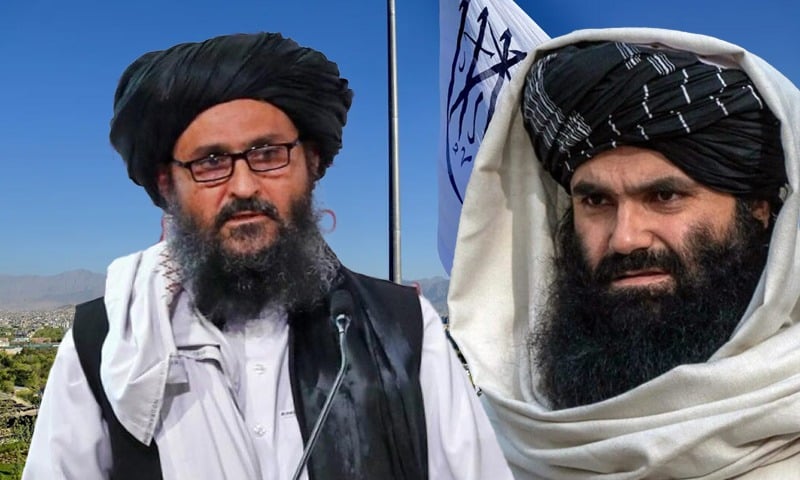
The situation in Afghanistan is also changing. The statement by Noorullah Noori that he is ready to negotiate with opponents comes at a time when pressure on the Taliban regime appears to be increasing.
Resistance-related incidents have been reported in several areas, including Badakhshan, Baghlan and Balkh. The most recent incident in Ghor is particularly significant. An explosion there killed a girl and injured several women.
Even where such incidents do not cause casualties, they remain significant because they indicate that pressure on the Taliban regime is increasing. Ghor has both Pashtun and non-Pashtun communities, while Dari is spoken by most of its population. An explosion in such an area is therefore an alarming development.
The situation in Kunar is another indication of the pressure facing the Taliban. The Taliban previously claimed that they had crushed the resistance there, saying that 32 people had been arrested and 28 killed. They later claimed that more than 60 had been arrested and around 30 killed.
This indicates that the security situation remains serious. The Taliban have also accused Pakistan in connection with these developments. According to the Afghan interim government, some of those arrested had previously moved from Iran to Pakistan. Pakistan detained them, according to the Afghan claim, before they were pushed toward Nuristan through Chitral, where they were arrested.
The question of resistance inside Afghanistan also needs to be viewed in the context of the Pashtun population.
The Taliban were Pashtun, but they were a minority among Pashtuns. The majority of Pashtuns had supported Hamid Karzai, Ashraf Ghani, Gulbuddin and other political and religious groups.
Therefore, the Taliban cannot be said to represent all Pashtuns. They do not.
Statements issued during the last week of September, following the anniversary of Dr. Najibullah, also showed opposition to the Taliban among many Pashtuns, with appeals for Afghan groups to unite against the Taliban.
The future of the Taliban therefore does not appear promising. They are facing difficulties, and those difficulties are increasing.
There are several factors behind this pressure. One is the presence of around 25 terrorist organizations in Afghanistan, as reflected in reports by the United Nations and the United States.
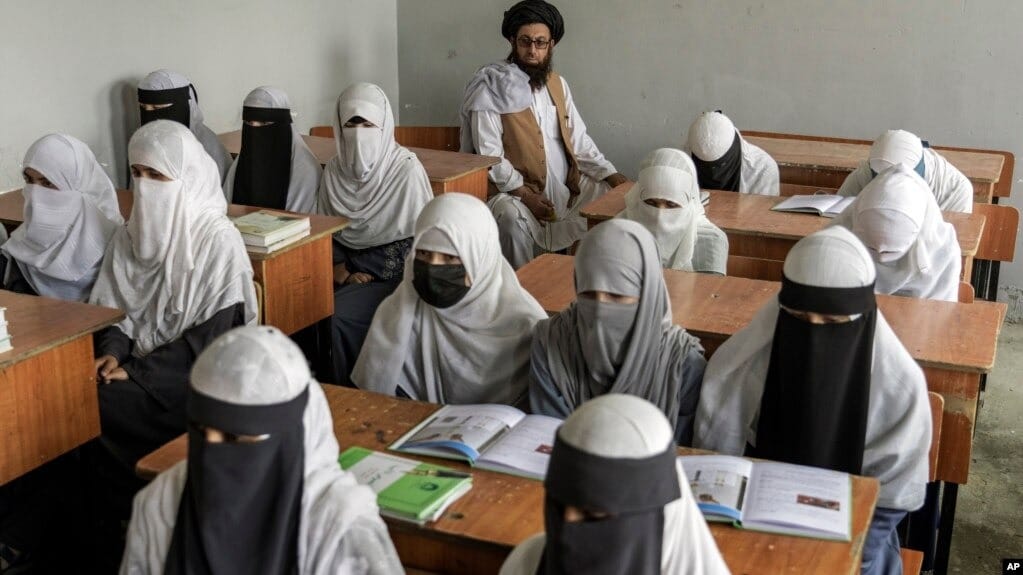
At the same time, international organizations including the United Nations, the European Union and Human Rights Watch continue to raise concerns about human rights violations in Afghanistan. Such issues are increasingly being highlighted internationally, and this can place greater pressure on the Taliban.
The Afghan people themselves are also facing difficulties inside the country.
For Pakistan, the lesson from all of this is clear. Terrorism cannot be defeated through operations alone. The federal and provincial governments must work together, security institutions must identify and eliminate the networks supporting terrorism, and decisions already taken must be implemented.
If the links between terrorist networks across the border and facilitators inside Pakistan are broken, the situation can be brought under control. But if political differences continue to prevent coordination, the people of Khyber Pakhtunkhwa will continue to bear the consequences.
At the same time, the increasing security, political and international pressures facing the Taliban suggest that the situation inside Afghanistan also remains far from settled.