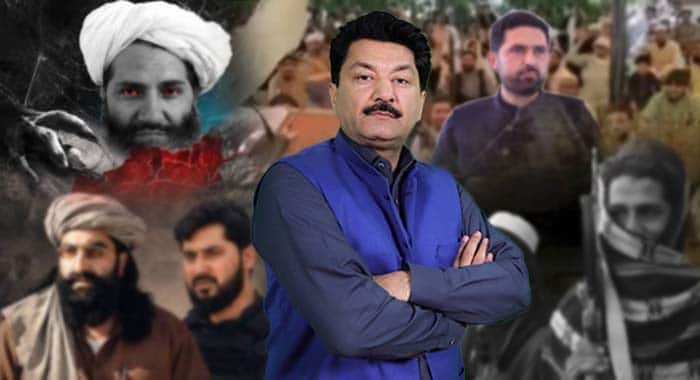
The situation emerging in parts of southern Khyber Pakhtunkhwa is therefore deeply disturbing. Police committees that were originally presented as a means of supporting security efforts are now facing serious allegations of exceeding their authority, refusing to obey police commanders, interfering in official matters and even being accused by families of victims of extrajudicial killings and other abuses.
This is no longer simply an issue of administrative disagreement. If a force operating within the state’s security architecture refuses to recognize the authority of the police hierarchy, demands the removal of officers, influences the appointment of its preferred officers and refuses to perform duties when ordered, then the state has a serious institutional problem on its hands.
The situation reportedly became particularly pronounced in areas including Lakki Marwat, Bannu and Tank, with concerns that the pattern could spread to other districts. Reports of police officers being transferred following demands from these committees, protests against such transfers and refusals to perform duties are alarming signs of an authority structure beginning to fragment.
A disciplined security institution cannot function on the principle that every local group can decide which officer it will accept and which orders it will obey.
A Security Vacuum is an Invitation to Terrorists
The most dangerous consequence of this friction is not merely administrative paralysis. It is the space it creates for terrorists.
When police and other security forces are not operating according to a unified strategy, terrorists gain exactly the environment they seek. An attack on a police post requires rapid reinforcement, coordinated intelligence and a clear chain of command. If one institution hesitates because another has established its own rules, the response becomes weaker and slower.
Pakistan has already paid an enormous price in the fight against terrorism. There is no justification for allowing institutional divisions to undermine that struggle from within.
The allegations of extrajudicial killings and intimidation are equally serious and cannot simply be brushed aside under the banner of counterterrorism. Fighting terrorists does not grant anyone a license to operate above the law. If an individual is accused of terrorism or another crime, the state has courts, investigations and legal procedures. Replacing those institutions with arbitrary authority would only weaken the state and provide terrorists with propaganda ammunition.
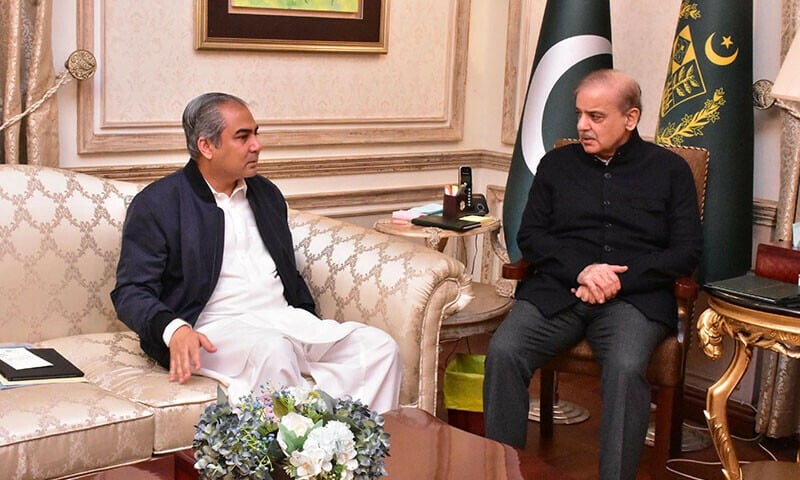
The government therefore needs to address this matter decisively, but intelligently. Dialogue should be the first step, particularly because these committees emerged in a difficult security environment and many of their members may genuinely believe they are helping protect their communities. Their grievances and security concerns should be heard.
But dialogue cannot mean surrendering the state’s authority.
There must be one chain of command, one legal framework and one standard of accountability. No committee, however well-intentioned its original purpose, can become a state within the state.
The provincial government also needs to demonstrate that it understands the seriousness of the situation. Repeatedly changing police officers without addressing the underlying problem cannot constitute a strategy. What is required is institutional clarity, political ownership and a coordinated security policy involving all relevant departments.
At the same time, the members of these committees need to understand the consequences of their public statements and actions. Videos and speeches that create the impression of confrontation with state institutions do not strengthen the fight against terrorism. They deepen mistrust, confuse the public and potentially turn security areas into arenas of confrontation between forces that should be standing shoulder to shoulder.
Pakistan’s Afghan Policy Must Remain Security-Driven
The same principle of clarity applies to Pakistan’s relationship with Afghanistan.
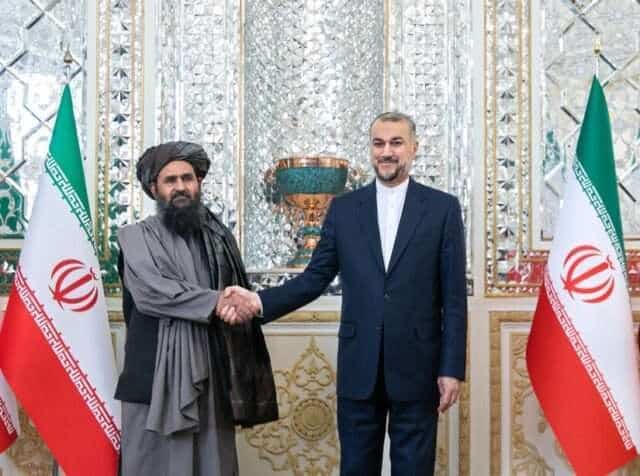
The border and trade situation remains tense, but the continuation of contacts through various channels is important. Back-channel communication, if it is aimed at resolving disputes and securing Pakistan’s interests, should not be confused with weakness. Diplomacy is often conducted precisely when public relations are at their worst.
Pakistan has consistently maintained that Afghan territory must not be allowed to serve as a launching pad for terrorism against Pakistan. Any mechanism proposed for addressing Pakistani complaints can therefore be useful only if it produces concrete action rather than another round of promises.
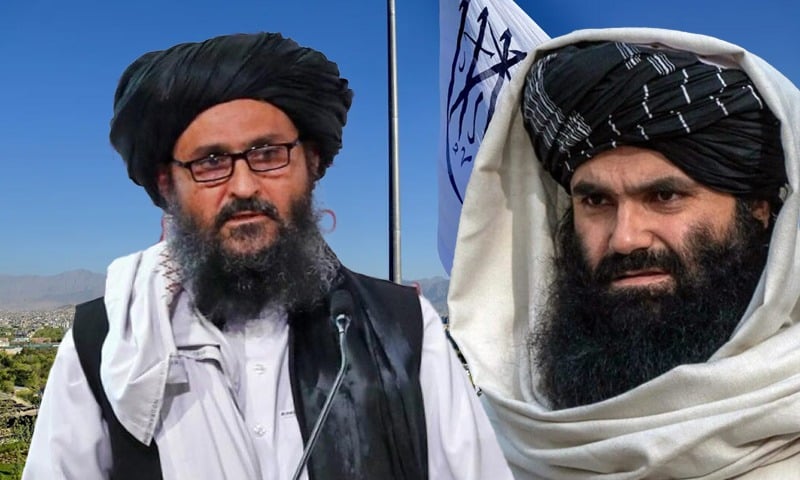
Afghanistan’s rulers also need to confront the internal fault lines within their own country. The emergence of resistance movements and growing grievances in northern provinces cannot simply be dismissed. Ethnic, linguistic, generational and political tensions do not disappear because a regime refuses to acknowledge them.
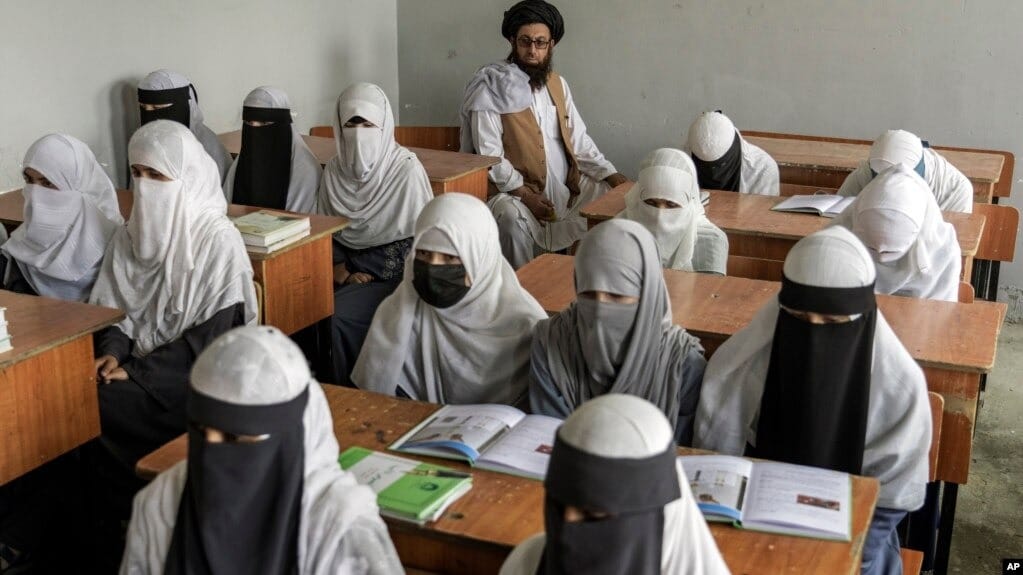
The Taliban also need to understand the contradiction in demanding sovereignty and recognition while restricting basic rights, suppressing dissent and imposing a highly restrictive system on their own population. If they claim that their system enjoys public legitimacy, then they should have little reason to fear criticism, public participation or peaceful political expression.
A stable Afghanistan is in Pakistan’s interest. An Afghanistan consumed by internal repression, political exclusion and terrorism is not.
Pakistan needs peace on its western border, but peace cannot be built by ignoring security threats. Trade can resume when there is a sustainable mechanism to address security concerns. Relations can improve when commitments are matched by action.
Ultimately, both challenges come down to the same principle: the state must remain the state.
Inside Pakistan, no security committee should become more powerful than the institutions it is supposed to support. Across the border, no regime should expect lasting stability simply by suppressing dissent. Terrorists thrive in institutional weakness, political division and disorder.
Pakistan’s answer must therefore be unity, discipline, lawful authority and an uncompromising focus on national security.