Terrorist organizations often appear united when carrying out attacks against the state, but behind the scenes, competition for influence, funding, territory and control frequently creates divisions among them. Recent developments in Orakzai, where clashes between banned terrorist groups including Fitna al-Khwarij and Daesh Khurasan have been reported, once again highlight the internal conflicts that exist within extremist networks.
However, these differences should not create a false sense of security. The rivalry among terrorist groups does not change the fundamental reality that these organizations share a common objective: creating instability, spreading fear and weakening Pakistan’s state institutions.
History shows that terrorist alliances are usually built on convenience rather than genuine cooperation. Groups with different ideological backgrounds and leadership structures may cooperate temporarily when they believe it serves their interests, but disputes emerge when questions of authority, funding and operational control arise.
The recent clashes between terrorist factions reflect exactly this struggle. These groups compete over recruitment, financial resources and areas of influence. Yet when it comes to targeting Pakistan, their methods and objectives often overlap.
Different Names, Similar Objectives
The security environment in Pakistan has become more complicated because multiple terrorist organizations are attempting to operate through different narratives while pursuing similar goals.
Fitna al-Khwarij, Daesh Khurasan and Balochistan-based terrorist groups such as the banned BLA may have different identities, but their attacks demonstrate a shared pattern: targeting security forces, law enforcement agencies, civilians, government representatives and economic activities.
The targeting of judges, lawyers, traders, workers and ordinary citizens shows that terrorism is not limited to any single institution. The victims of these attacks include people from all backgrounds.
In Balochistan, terrorist groups have repeatedly attempted to portray themselves as representatives of local communities, but their actions have harmed the very people they claim to defend. Attacks on civilians, security personnel and local workers reveal the reality behind their propaganda.
The objective of terrorist organizations is not public welfare. Their objective is to create fear, weaken state authority and exploit instability.
External Support and the Afghan Factor
A major challenge in combating terrorism remains the availability of space, resources and support networks that allow these groups to survive.
For years, Pakistan has raised concerns regarding terrorist leadership, planning networks and training facilities operating from Afghan territory. The continued presence of terrorist elements in the region has remained a major security concern.
Terrorist groups require financial resources, weapons, communication systems and logistical support to sustain operations. Their ability to conduct sophisticated attacks indicates access to organized networks rather than isolated individuals.
The use of proxies and indirect support mechanisms has become a defining feature of modern terrorism. Instead of direct confrontation, hostile actors often attempt to create instability through armed groups operating in different areas.
This makes intelligence-based operations, border management and international cooperation essential components of Pakistan’s counterterrorism strategy.
Bannu and the Challenge of Maintaining Order
The situation surrounding peace committees in Bannu represents another dimension of the security challenge: the relationship between public participation, law enforcement and state authority.
Community-based efforts against terrorism have historically played an important role in Pakistan’s tribal and border regions. Local people understand their areas, recognize suspicious activity and can provide valuable support to security institutions.
However, such initiatives must operate within a proper legal and administrative framework. A disciplined security structure requires clear chains of command and coordination with official institutions.
When informal groups begin making demands beyond their defined role, it can create confusion and weaken the authority of state institutions. The priority must remain the protection of citizens, restoration of normal life and support for legitimate security operations.
The closure of roads, disruption of daily activities and restrictions affecting ordinary people create additional difficulties for communities already suffering because of terrorism.
The state faces the challenge of resolving such situations through dialogue, understanding and effective governance while ensuring that security structures remain intact.
Afghanistan’s Internal Challenges and Regional Impact
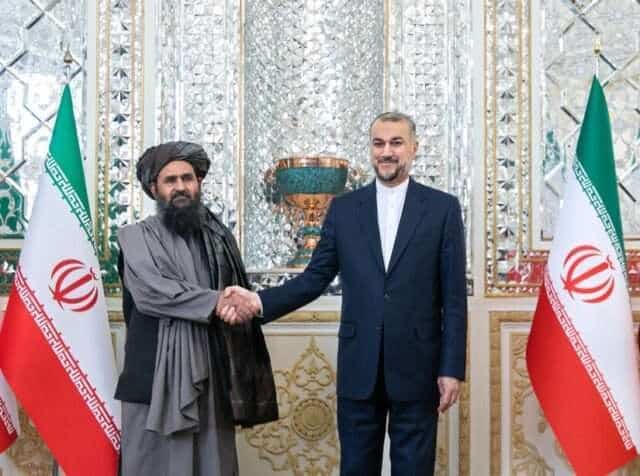
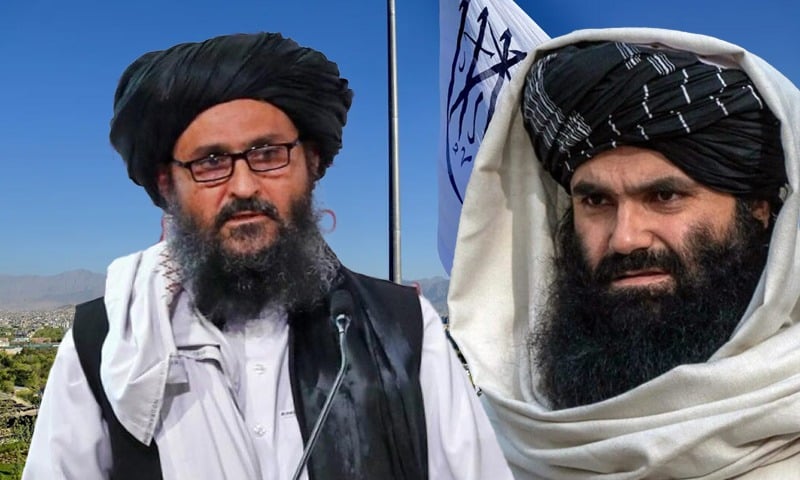
The security situation inside Afghanistan also continues to influence regional stability. Recent tensions in Badakhshan and the emergence of opposition groups highlight the challenges faced by the Afghan Taliban administration in maintaining complete control.
Badakhshan holds strategic importance due to its location bordering Tajikistan, China and Pakistan. The province’s geography, ethnic dynamics and mineral resources make it particularly significant.
The tensions in the region are linked with multiple factors, including local grievances, competition over resources and questions regarding authority. While opposition groups may challenge the Afghan Taliban in certain areas, they currently do not appear capable of replacing the existing system nationwide.
However, persistent instability inside Afghanistan creates opportunities for various armed groups to operate and reorganize, which directly affects neighboring countries.
Unity Remains Essential Against Terrorism
The biggest requirement in Pakistan’s fight against terrorism is a unified national approach. Counterterrorism cannot succeed if security institutions, political leadership and society work in separate directions.
Terrorists benefit from divisions. Whenever there is a gap between institutions, extremist groups attempt to exploit that space.
The challenge facing Khyber Pakhtunkhwa, Balochistan and other affected areas is not the responsibility of a single institution. It requires coordination among federal and provincial governments, security forces, police, administration and local communities.
Political disagreements are part of democratic life, but national security demands a common position against terrorism.
Pakistan has faced terrorism for decades and has repeatedly demonstrated resilience. The sacrifices of security personnel and civilians have shown that terrorist organizations can be challenged and defeated.
The way forward requires strengthening governance, improving coordination and ensuring that terrorists are denied the environment in which they operate.
Terrorist groups may continue fighting among themselves for influence and resources, but Pakistan’s response must remain focused: unity, intelligence, public cooperation and an unwavering commitment to national security.