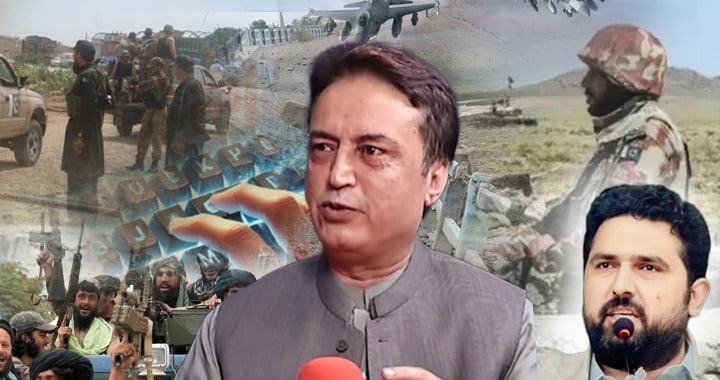
The security situation in Khyber Pakhtunkhwa, especially Bajaur, Bannu, and the adjoining tribal districts, has once again entered a dangerous phase, with terrorist networks increasingly shifting toward organized assaults on police stations, security compounds, and vulnerable frontline law enforcement positions. Recent months, particularly March and April, have witnessed a visible resurgence in terrorist activity despite the operational successes achieved under Operation Ghazb Lil Haq.
The evolving pattern of attacks demonstrates that terrorist groups are no longer relying solely on isolated hit-and-run operations. Instead, they are adopting more coordinated and militarily structured tactics aimed at inflicting maximum damage, especially against police forces deployed in southern districts and former tribal regions. These attacks are being carried out with careful planning, suicide bombers, reinforcement teams, and heavy weapons support.
According to security analysts, terrorist organizations often name their campaigns according to their operational objectives and propaganda narratives. Last year’s campaign was branded as “Al-Khandaq,” while the latest phase has been promoted under the title of the so-called “Khyber Operation.” Through this branding, terrorist groups have openly declared their intent to intensify attacks against police stations, security compounds, and law enforcement infrastructure.
Ground realities over recent weeks appear to support these claims. Several incidents across southern Khyber Pakhtunkhwa and former FATA districts indicate a growing focus on police installations. Terrorists are increasingly targeting compounds where police personnel live and operate, aiming not only to cause casualties but also to destroy infrastructure, seize weapons, and spread psychological fear.
One of the most devastating incidents occurred in Bannu, where terrorists associated with the so-called Ittihad-ul-Mujahideen Pakistan launched a large-scale assault on the Fateh Khel police post. Reports indicate that the attackers used an explosives-laden vehicle to breach the compound before multiple armed terrorists stormed the facility from different directions. The assault reportedly involved both suicide attackers and heavily armed fighters.
The attack resulted in widespread destruction. Security personnel stationed inside the compound embraced martyrdom while resisting the assault, and the facility itself suffered extensive damage. Vehicles were torched, buildings collapsed, and terrorists attempted to loot weapons and ammunition left behind during the chaos. The incident underscored the increasing sophistication and brutality of terrorist operations in the region.
Analysts note that the so-called Ittihad-ul-Mujahideen Pakistan is not a single organization but rather a coalition involving multiple terrorist factions, including elements linked to Hafiz Gul Bahadur and extremist networks with ideological overlap with Al-Qaeda. While Tehreek-e-Taliban Pakistan operates independently in many cases, certain attacks reportedly involve tactical cooperation among various factions.
The Bajaur attack on the Darmangi Scout Post further highlighted the changing battlefield dynamics. Competing narratives emerged after the incident, with terrorist propaganda channels exaggerating casualties and operational success, while security sources maintained that the assault had largely been repelled and several terrorists were neutralized.
Security experts emphasize that propaganda has become a central weapon in modern terrorism. Social media platforms are now being used aggressively to amplify attacks, spread fear, distort facts, and create a false perception of territorial dominance. Terrorist media cells rapidly circulate edited videos, recycled footage, and emotionally charged narratives to influence public opinion and demoralize state institutions.
This digital propaganda ecosystem is further strengthened by hostile anti-Pakistan networks online, which pick up terrorist content and amplify it across multiple platforms. As a result, even limited attacks are sometimes portrayed as large-scale battlefield victories through coordinated information warfare.
Questions have also emerged regarding the political environment in Khyber Pakhtunkhwa and the state government’s overall response to the deteriorating security situation. Critics argue that while militant violence continues to intensify, civilian institutions have yet to demonstrate the level of preparedness and authority required to replace the stabilizing role currently played by security forces in volatile districts.
Observers point out that earlier claims regarding the normalization of districts like Swat and the gradual transfer of security responsibilities to civilian institutions have not materialized effectively in southern districts. Instead, police personnel in multiple areas remain under immense pressure, often lacking adequate protection, equipment, and operational support against heavily armed terrorist networks.
Security concerns have become so severe in some districts that reports have emerged of police personnel expressing reluctance to remain stationed at vulnerable checkpoints and compounds. Analysts warn that without robust institutional backing, police forces alone may struggle to counter heavily armed terrorist groups operating with cross-border support and advanced tactics.
The broader regional dimension further complicates the situation. Relations between Pakistan and Afghanistan continue to face serious strain amid persistent allegations that anti-Pakistan terrorist groups are operating from Afghan territory with varying degrees of protection and facilitation.
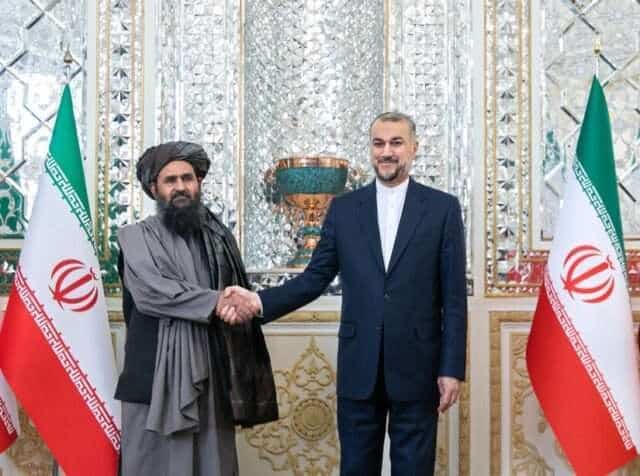
While diplomatic engagements involving China, Pakistan, and Afghan Taliban representatives continue, deep mistrust remains a defining feature of Islamabad-Kabul relations. China seeks regional stability primarily to secure trade connectivity and economic corridors linking Central Asia with South Asia and beyond. However, lasting cooperation remains difficult without concrete action against terrorist sanctuaries.
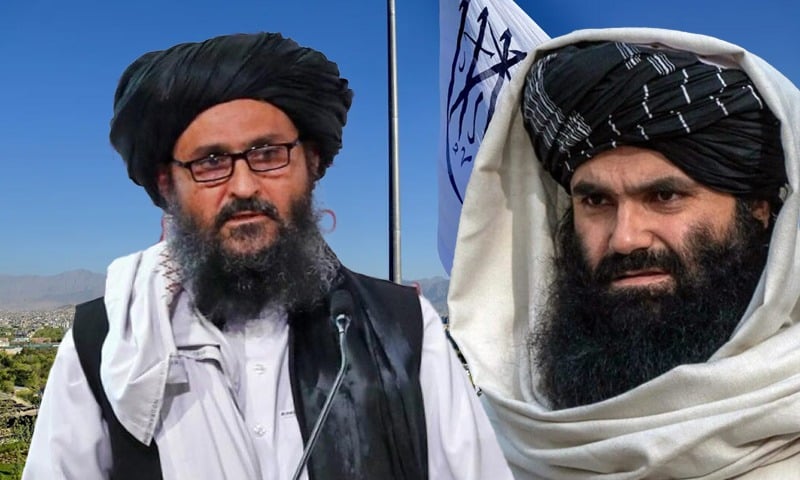
Security analysts argue that Pakistan’s patience is wearing thin as attacks inside the country continue despite repeated diplomatic engagements. Concerns persist regarding the presence of TTP leadership, Hafiz Gul Bahadur affiliates, and Al-Qaeda-linked elements inside Afghanistan.
Recent statements by extremist groups, combined with the increasing use of drones, improvised missiles, and cross-border infiltration tactics, have heightened fears of further escalation. Reports also suggest that terrorist organizations are attempting to improve their technological capabilities, including drone-based attacks and remote-launch systems.
Experts warn that unless decisive measures are taken to dismantle terrorist infrastructure and reduce the trust deficit between Islamabad and Kabul, the region could move toward deeper instability. Sustainable peace, they argue, depends not only on military operations but also on credible regional cooperation, stronger civilian governance, and the complete rejection of terrorism in all its forms.