(Shamim Shahid)
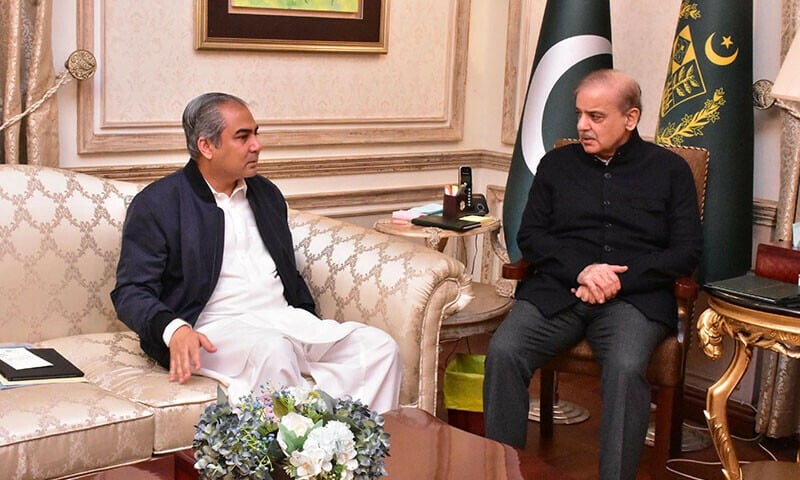
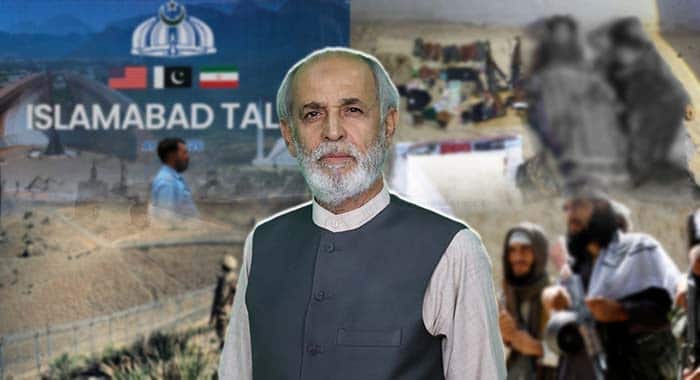
In an era where geopolitical fault lines are constantly shifting, Pakistan is emerging as a critical player in shaping regional and international affairs. The country, long a frontline state in the war on terror and a key neighbor to Afghanistan and Iran, is now positioning itself as a facilitator of dialogue and a custodian of regional stability. Recent developments underscore the gravity of this role: Pakistan is hosting high-stakes negotiations between the United States and Iran in Islamabad, while simultaneously confronting significant security challenges within its own borders, particularly in the tribal regions of Bannu and Laki Marwat.
The situation in Bannu is alarming. Recent reports confirm that a major operation was conducted in the dense forest areas between Bannu and Laki Marwat, resulting in the deaths of key militant figures, including Amir Sohail and Wahidullah. These commanders were not minor players; they were deeply involved in orchestrating targeted killings and suicide attacks. Security forces reportedly apprehended around 60 TTP militants during the operation. While the tactical success of these operations is evident, the broader implications for law and order in the region are still unfolding. The Bannu operation highlights both the persistent threat posed by militancy in Pakistan and the commitment of state institutions to maintaining security and protecting civilians.
However, internal security is only one aspect of Pakistan’s complex role in regional dynamics. Politically, Pakistan is navigating a delicate balance between internal governance, insurgency management, and international diplomacy. There is increasing discourse regarding the governance structure in Khyber Pakhtunkhwa and the priorities of local communities. Reports suggest that local populations are primarily concerned with the freedom of their political leaders rather than administrative reforms or governance improvements. This poses a challenge for provincial authorities, who must balance political negotiations with security imperatives and developmental objectives. The ongoing tension between public expectations and governmental capabilities underscores the complexity of administering regions affected by militancy and political volatility.
On the international front, Pakistan is seeking to recalibrate its trade routes in response to shifting regional alliances and logistical challenges. The deterioration of relations with Afghanistan has prompted Pakistan to explore alternative trade routes with Iran through Central Asia. Historically, the bilateral trade between Pakistan and Afghanistan has been significant, with thousands of trucks facilitating commerce across borders. However, since 2014-2015, when Pakistan enforced strict border controls and asked Afghan nationals to leave, transit routes through Afghanistan have been disrupted. Consequently, both countries have sought alternative pathways, with Iran, Chabahar, and Central Asian countries emerging as pivotal trade partners.
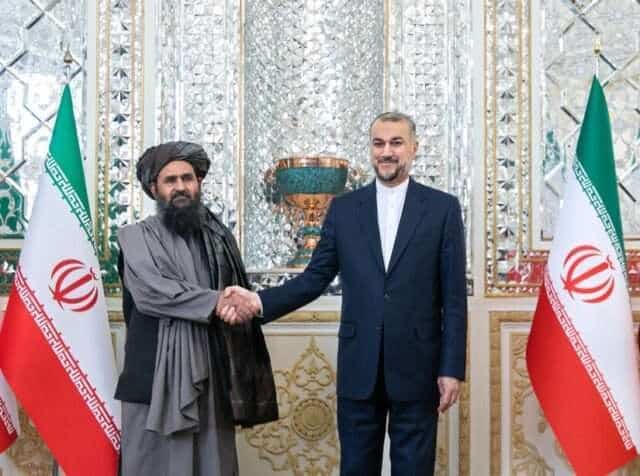
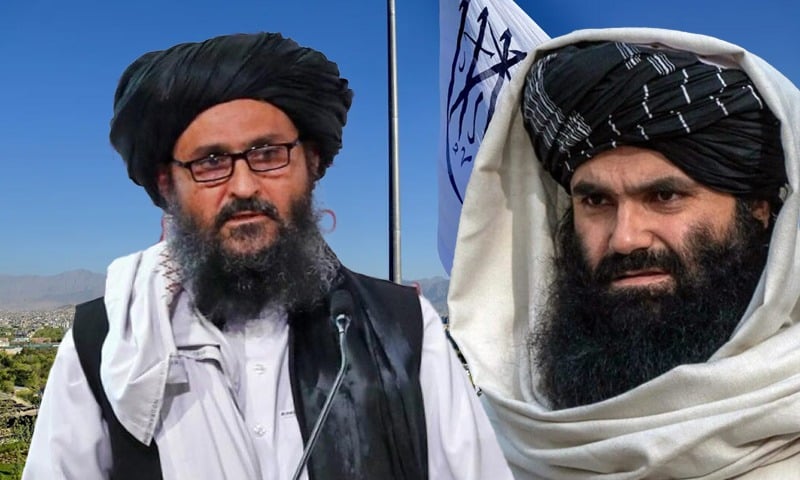
While the exploration of new trade corridors offers a short-term solution, it is fraught with long-term challenges. The extended routes increase both the cost and time of trade, making them less viable in the long run. Furthermore, the geopolitical context is evolving rapidly, with Afghanistan now under Taliban control, which has altered regional dynamics. While Pakistan has expressed satisfaction with the Taliban’s ascension viewing it as a stabilizing factor in Afghanistan—the practical implications for trade and cross-border relations remain complex.
Pakistan’s strategic importance is further amplified by its role as a neutral facilitator in the ongoing negotiations between the United States and Iran. For the second time, high-level talks are taking place in Islamabad, reflecting Pakistan’s growing credibility as a diplomatic intermediary. These negotiations are significant not only for bilateral US-Iran relations but also for broader regional stability. Successful mediation could ease tensions in the Middle East, open pathways for economic cooperation, and reduce the risk of conflict escalation. For Pakistan, hosting such talks represents a diplomatic victory and underscores its potential as a bridge between conflicting international actors.
The challenges Pakistan faces, however, are multifaceted. Domestically, the government must manage militant threats while navigating political unrest and public dissatisfaction. In regions like Bannu and Laki Marwat, militant operations and political activism intersect, complicating governance and law enforcement. Internationally, Pakistan must balance relations with powerful neighbors and global actors, including Iran, China, the United States, and Central Asian states. Each of these relationships carries its own strategic, economic, and security implications, requiring nuanced diplomacy and careful management of competing interests.
One of the most critical aspects of Pakistan’s current geopolitical strategy is trade diversification. With Afghanistan no longer a reliable transit corridor due to political tensions and border closures, Pakistan is actively pursuing trade with Iran through Central Asia. While this alternative route presents logistical challenges, it also demonstrates Pakistan’s proactive approach to safeguarding its economic interests. By forging new trade partnerships and exploring alternative supply chains, Pakistan is attempting to mitigate the impact of regional instability on its economy. This strategy reflects both foresight and pragmatism, even as it underscores the limitations imposed by geography and geopolitics.
Pakistan’s engagement in international diplomacy extends beyond economic interests. The country is positioning itself as a peacebroker in global conflicts, particularly between the United States and Iran. The upcoming round of negotiations in Islamabad is emblematic of this approach. Both nations bring significant demands and expectations to the table, and Pakistan’s role is to facilitate dialogue, mediate differences, and foster conditions for a constructive outcome. The success of these negotiations will not only elevate Pakistan’s diplomatic standing but could also contribute to broader efforts to stabilize the region and reduce tensions that have far-reaching implications for global security.
Moreover, Pakistan’s domestic policies and security operations intersect with its international aspirations. The ongoing military operations in Bannu demonstrate the country’s commitment to countering militancy, a prerequisite for maintaining credibility in the international arena. Without a stable internal security environment, Pakistan cannot effectively engage as a neutral mediator or reliable trade partner. Thus, domestic governance, counter-terrorism initiatives, and international diplomacy are deeply intertwined, creating a complex matrix of responsibilities for policymakers and security forces alike.
Pakistan’s efforts are not without constraints. Trade with Central Asia and Iran via longer routes is costly and logistically challenging, potentially limiting the efficiency and competitiveness of Pakistani commerce. Similarly, the internal political landscape, particularly in Khyber Pakhtunkhwa, demands careful management of public expectations, militant activity, and administrative reforms. Nonetheless, the country’s proactive stance in both domestic and international spheres demonstrates a strategic vision that prioritizes stability, economic resilience, and diplomatic influence.
In conclusion, Pakistan’s current trajectory reflects a nation at the crossroads of security, diplomacy, and trade. Its domestic counter-terrorism efforts in Bannu and Laki Marwat illustrate the ongoing challenges of maintaining internal stability in a region plagued by militancy. Simultaneously, its proactive diplomatic engagement with the United States and Iran highlights Pakistan’s growing role as a mediator in global conflicts. The recalibration of trade routes to circumvent geopolitical disruptions underscores the country’s strategic adaptability and economic foresight.
Pakistan’s multifaceted role is emblematic of a state navigating complex realities: the imperatives of national security, the demands of domestic politics, and the responsibilities of international diplomacy. Success in these areas will require careful coordination, strategic patience, and an unwavering commitment to fostering stability both within and beyond its borders. If Pakistan can maintain this delicate balance, it has the potential not only to safeguard its own interests but also to contribute meaningfully to regional peace, economic cooperation, and global security.
As the world watches closely, Islamabad’s corridors of power may very well determine not just the future of Pakistan, but the trajectory of an entire region. The stakes are high, the challenges formidable, but the opportunity for Pakistan to assert itself as a pivotal actor in regional and international affairs has never been greater.