
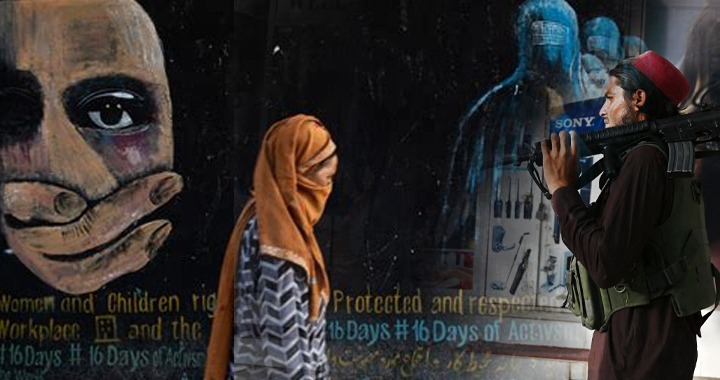
The suppression of women’s rights in Afghanistan is not only a humanitarian crisis but also a strategic security concern for Pakistan. Experts highlight that restricting women’s education and employment contributes directly to social stagnation, eroding human capital that could otherwise act as a stabilizing force.
Analysts note a direct correlation between gender-based exclusion and the proliferation of extremist narratives. Groups like the TTP exploit environments where marginalized populations lack empowerment, facilitating recruitment and radicalization. Pakistan, sharing an open frontier with Afghanistan, is therefore on the frontline of these ideological spillovers.
UN and regional assessments underscore that the erosion of human capital in Afghanistan accelerates structural instability. The inability of Afghan women to participate meaningfully in governance, education, and the workforce diminishes societal resilience, amplifying the likelihood of cross-border militant activity.
Pakistan faces a dual challenge: responding to immediate threats emanating from militant networks and engaging diplomatically to encourage inclusive governance that reduces the space for extremism. Experts argue that conditional engagement and regional coordination are essential to mitigate risks stemming from Afghanistan’s gender policies.



