
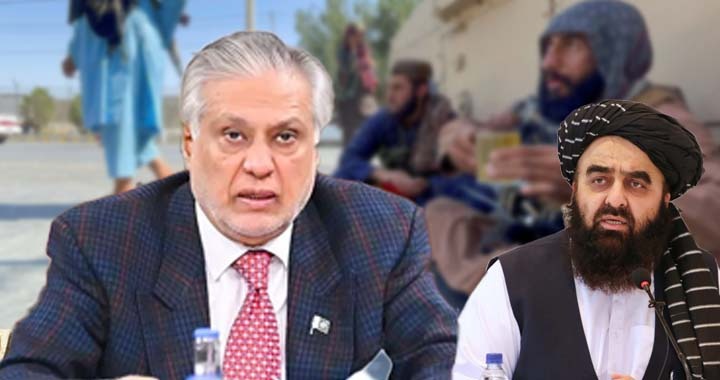
Pakistan finds itself at a crossroads in responding to Afghanistan’s persistent instability. The traditional buffer role that Afghanistan once played has evaporated, replaced by a complex matrix of cross-border security threats, migration pressures, and geopolitical competition.
Analysts argue that Islamabad’s options are constrained. Military intervention across the border is neither viable nor sustainable, while passive containment risks ceding strategic influence to regional competitors. The absence of inclusive governance in Afghanistan complicates bilateral engagement, as negotiating with fragmented authorities carries both political and operational uncertainty.
Recent trends show that militant groups, including the banned Tehreek-e-Taliban Pakistan (TTP) and Balochistan Liberation Army (BLA), exploit the Afghan vacuum for training, logistics, and recruitment. Without engagement strategies that integrate intelligence cooperation, border management, and regional diplomacy, Pakistan’s ability to pre-empt attacks is severely limited.
Experts emphasize that a calibrated policy approach—one that combines conditional engagement with robust security oversight—is essential. Islamabad must navigate a fine line between facilitating political moderation in Afghanistan and safeguarding its own security interests.
Failure to act decisively could entrench Pakistan as a frontline state for external powers to project influence, while internal extremist networks expand operational capacity. In this context, the Afghan crisis is not merely a neighborly concern; it is a defining factor for Pakistan’s strategic posture in South Asia.



