
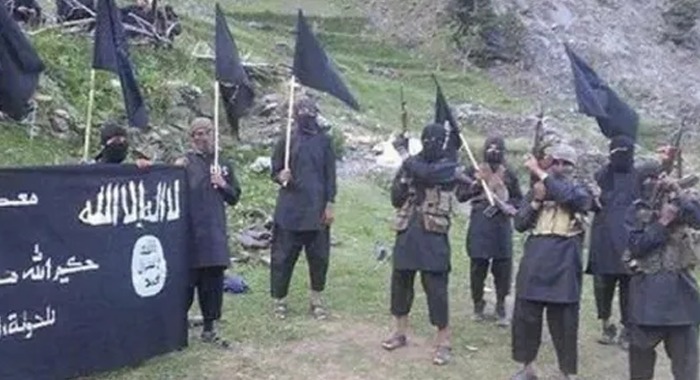
A coordinated assault by fighters linked to the Islamic State Central Africa Province (ISCAP) on Chinese-operated gold mining facilities in northeastern Democratic Republic of Congo (DRC) has raised fresh concerns over the group’s expanding anti-China campaign, marking a potential geographic shift from its traditional focus in South and Central Asia to Africa.
The attack took place on the night of March 11–12 in Muchacha and nearby Mavuvu, located in Mambasa territory of Ituri province. According to local sources and official statements, militants killed and abducted several individuals, while others fled the area amid the violence. The scale and nature of the attack underscore both its brutality and its strategic significance.
The assault was carried out by elements of the Allied Democratic Forces (ADF), a group that has pledged allegiance to ISCAP. Militants reportedly began by targeting Congolese army positions responsible for securing the mining sites before advancing on the facilities themselves. The attackers overran the sites, causing extensive destruction to infrastructure and property.
The targeted installations were associated with Chinese mining entities, including Kimia (or Kimiya) Mining Enterprise and MCC Resources, both of which operate industrial gold extraction sites in the region. Subsequent Islamic State propaganda claimed responsibility for the attack and circulated images depicting fighters storming the barracks, setting fire to vehicles and heavy machinery, and destroying residential quarters used by workers.
Visual evidence and local reporting indicate widespread damage at the Muchacha site, including burnt trucks, tractors, processing units, and accommodation blocks. The destruction has severely impacted operations and raised security concerns for foreign investments in the region.
This incident is being viewed in a broader strategic context, as it potentially signals the expansion of Islamic State’s anti-China campaign into Africa. Historically, attacks targeting Chinese nationals, projects, and symbols have been largely concentrated in South and Central Asia, particularly by Islamic State Khorasan Province (ISKP). The latest attack in Ituri suggests a widening operational scope.
The development also follows a recent suicide bombing in Kabul in mid-January targeting Chinese interests, marking the second such attack within a span of less than two months. Analysts note that these incidents align with Islamic State’s ongoing propaganda narrative portraying China as an oppressor of Muslims in Xinjiang and as an exploitative actor in conflict-affected regions.
Security experts warn that the attack in northeastern DRC could indicate an effort by Islamic State affiliates to internationalize their targeting priorities, particularly against economically strategic and symbolically significant foreign actors. The incident is likely to prompt heightened security measures for Chinese operations across Africa and may influence broader counterterrorism responses in the region.



