
A new report by the United Nations Analytical Support and Sanctions Monitoring Team has revealed a worrying expansion of Tehrik-i-Taliban Pakistan (TTP) training camps across multiple provinces of Afghanistan, raising serious concerns about regional security and the continued support these groups are reportedly receiving from the Afghan Taliban.
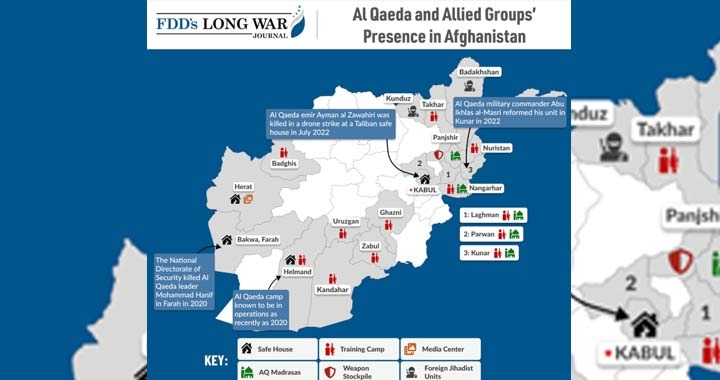
According to the Monitoring Team, TTP has established training centers in the eastern provinces of Kunar, Nangarhar, Khost, and Paktika (Barmal). These camps are not only enhancing recruitment among TTP fighters but are also reportedly providing specialized ideological guidance and training, including preparation for suicide attacks.
The report indicates that Al Qaeda continues to play a pivotal role in these operations, supplying ideological direction and operational expertise to TTP cadres. These facilities are strategically located in areas under the influence of the Haqqani Network, an Al Qaeda-linked and TTP-allied organization led by Sirajuddin Haqqani, a Specially Designated Global Terrorist and Taliban deputy emir. The Haqqani Network’s operational reach allows these groups to maintain safe havens while plotting attacks against Pakistan and other regional targets.
Critically, the Monitoring Team highlights that the Afghan Taliban continues to provide TTP with logistical support, operational freedom, and even financial assistance. TTP leader Noor Wali Masoud reportedly receives a monthly payment of approximately $43,000. Such backing underscores the systematic nature of the Taliban’s support, which has enabled TTP to increase both the scale and ambition of its attacks, with over 600 incidents reported during the reporting period, including from Afghan soil.
These findings reveal that the ties between TTP and the Afghan Taliban are deeply entrenched, forged over decades of conflict across Afghanistan and Pakistan. The TTP has publicly pledged allegiance to the Taliban’s emir and considers itself part of the Taliban’s Islamic Emirate of Afghanistan. Eastern Afghanistan thus remains a secure operational base, allowing TTP to plan and launch cross-border attacks while exploiting Taliban-controlled territory for shelter and resources.
The UN report serves as a stark warning that Afghanistan continues to be a haven for transnational terrorist groups, which poses a direct threat to regional stability. Analysts emphasize that without coordinated international and regional counterterrorism measures, these safe havens will continue to fuel attacks against Pakistan and beyond, threatening the security of the broader region.



