
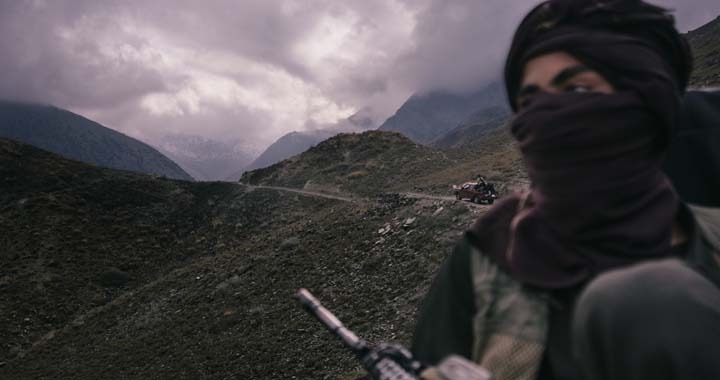
A new report by the United Nations Analytical Support and Sanctions Monitoring Team has revealed a significant expansion of terrorist training infrastructure in Afghanistan, exposing the presence of new camps operated by Tehrik-i-Taliban Pakistan (TTP) and Jamaat Ansarullah (JA), with backing from al-Qaeda and the Afghan Taliban.
According to the Monitoring Team’s latest 1267 report on Afghanistan, issued on February 13, new TTP and JA training camps have been established in the provinces of Khost, Kunar, Nangarhar, Paktika, and Takhar. The report also identifies the existence of two foreign jihadist units operating in the country. These newly disclosed facilities add to the already documented network of Al Qaeda camps previously identified in multiple Afghan provinces.
The report states that Al Qaeda and its jihadist allies are now operating facilities in 14 of Afghanistan’s 34 provinces an expansion from the 12 provinces identified in earlier assessments highlighting the growing footprint of transnational terrorist organizations within Afghan territory.
The findings directly contradict repeated claims by the Afghan Taliban that Afghan soil is not being used to harbor or support foreign terrorist groups. The Monitoring Team notes that the TTP has significantly escalated the ambition and scale of its attacks against Pakistan, carrying out more than 600 attacks during the reporting period, including operations launched from Afghan territory.
The report further states that the Taliban continues to provide the TTP with logistical space, operational freedom, and financial support. It notes that TTP leader Noor Wali Masoud is reportedly receiving a monthly payment estimated at approximately $43,000.
The longstanding ties between the Afghan Taliban and the TTP shaped through decades of conflict in Afghanistan and Pakistan remain intact. The TTP leader has publicly pledged allegiance to the Taliban’s emir and considers his group part of the Taliban’s Islamic Emirate of Afghanistan.
The Monitoring Team confirms that Al Qaeda has trained and provided ideological guidance to TTP fighters, including in suicide bomber training camps in Kunar Province. Terror facilities were also identified in Khost and Paktika provinces, areas associated with the Haqqani Network, which has longstanding operational links to Al Qaeda and TTP elements.
The report underscores that Al Qaeda remains an active transnational terrorist organization, continuing to support jihadist movements regionally and globally from Afghan soil.
The report also details the presence of JA training camps in Khost Province, where Al Qaeda engineers and weapons instructors are assisting militants. Additionally, JA operates a special military training center in Kalafgan district of Takhar Province, aimed at preparing Central Asian and Arab fighters.
JA has established a unit known as “Ansar” in Imam Sahib district of Kunduz Province, reportedly tasked with infiltrating border regions, particularly targeting Tajikistan. The group has also conducted joint operations with the Taliban and Al Qaeda, including coordinated activities in Badakhshan Province.
JA, often referred to as the “Tajik Taliban,” seeks to overthrow the Tajik government and replace it with an Islamist regime. The organization has operated from northern Afghanistan since 2006 and has maintained its infrastructure despite leadership losses over the years.
The Monitoring Team’s findings reinforce mounting international concerns that Afghanistan has once again become a hub for terrorist organizations with cross-border ambitions. The expansion of training camps, operational units, and foreign fighter networks presents serious implications for regional stability, particularly for Pakistan and Central Asian states.
Security analysts warn that the persistence and expansion of these networks underscore the urgent need for coordinated international counterterrorism efforts, sustained monitoring, and diplomatic engagement to ensure that Afghan territory is not used as a launchpad for regional or global terrorism.
The report serves as a stark reminder that the resurgence of militant infrastructure in Afghanistan poses a clear and present danger not only to neighboring countries but also to broader international peace and security.



