
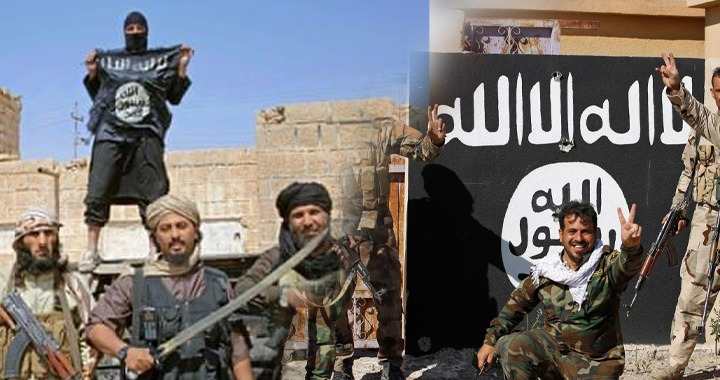
In the dense and ever-shifting militant ecosystem of southern Khyber Pakhtunkhwa, a low-profile and a relatively small but strategically adaptive group is consolidating its presence without overt theatrics. The outfit, calling itself Majlis-e-Askari Karwan (MAK), may not command the numbers of larger factions, but its operational flexibility is increasingly drawing attention within security circles.
Leadership and Realignment
MAK is led by Akhtar Muhammad Khalil Mansoor, a former district commander of the banned Tehreek-e-Taliban Pakistan (TTP) in Bannu. Following internal rifts and leadership disputes within the TTP, Khalil realigned himself with Tehreek-e-Taliban Ghazwatul Hind, widely regarded as the rebranded identity of the Hafiz Gul Bahadur faction.
As is common in militant networks, loyalties have proven fluid. Several of Khalil’s former associates splintered into sub-factions while remaining within overlapping militant ecosystems. One such figure, Sadar Hayat alias Abu Sufyan, now leads a sub-group operating within the same broader network.
Khalil has, at various points, attempted tactical alliances with Jamaat-ul-Ahrar, though such efforts were reportedly curtailed following intervention by central militant leadership structures. His contacts have also extended to Islamic State Khorasan Province (ISKP), though no formal merger materialized.
Prior to 2014, Khalil was reportedly involved in hosting and facilitating Al-Qaeda leadership elements. However, the launch of Operation Zarb-e-Azb altered the regional militant landscape, forcing recalibrations across networks.
Operational Footprint
MAK’s activities are concentrated in southern districts of Khyber Pakhtunkhwa, particularly Bannu, Lakki Marwat, and North Waziristan.
Its operational profile includes:
Targeted sniper attacks
Ambush-style engagements
Raids on security checkpoints
Assaults on smaller fortified positions
The group often operates independently, but at times appears in coordination with other factions. In some instances, its fighters have featured in operational videos where responsibility was claimed under alternate group names. This pattern underscores a deliberate strategy of tactical ambiguity, allowing MAK to function as a flexible operational partner while retaining structural independence.
Organizational Consolidation in 2026
At the start of 2026, MAK publicly released an updated organizational chart, signaling a move toward institutional consolidation. The structure now includes not only a military chief but also a general commander, a reform commission, and designated regional heads, each supported by deputies.
The formalization suggests an attempt to evolve beyond a purely armed outfit into a structured militant bureaucracy.
Around the same period, the group released a professionally produced training video from a camp named after Saad bin Abi Waqqas. The footage displayed coordinated drills, heavy weapons training, and disciplined formations. Arabic chants and references to Palestine and Jerusalem featured prominently, indicating an effort to align local militancy with broader transnational narratives.
External Linkages
Some assessments suggest limited-level contacts between MAK and Al-Qaeda in the Indian Subcontinent (AQIS), particularly in contexts relating to Kashmir and Gilgit-Baltistan, where overlapping claims by different factions have surfaced.
Akhtar Khalil’s reported historical connections to elements within the Haqqani network and segments of the Afghan Taliban further complicate the picture. Such ties, if operational, would allow the group to navigate multiple power centers while maintaining autonomy.
Size Versus Strategy
With an estimated fighting strength of approximately 150 militants, MAK remains numerically modest. However, its strength appears rooted not in scale but in adaptability.
Security reports also link the group to extortion, kidnappings, and other criminal financing activities, suggesting that revenue diversification underpins its operational sustainability.
Conclusion
Majlis-e-Askari Karwan is not yet a dominant militant force. However, its expanding organizational structure, cooperative operational model, and gradual adoption of broader ideological framing suggest deliberate positioning within the extremist landscape.
This is not the story of a group rising through spectacle. It is a story of incremental consolidation.
And in insurgent ecosystems, quiet networks often prove the most durable.



