
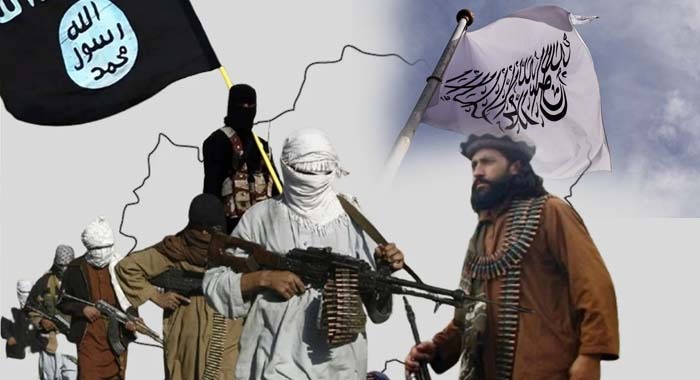
The United Nations has confirmed that Al-Qaeda continues to operate under the protection of the Taliban, despite the theocratic group’s repeated claims that no terrorist organizations remain active in Afghanistan. The findings, included in a new February 2026 report from the UN Analytical Support and Sanctions Monitoring Team, highlight a “multipolar” threat posed by jihadist groups worldwide, ranging from South Asia to Africa.
The report warns that the Taliban, who swept into Kabul in August 2021, continue to provide safe havens and operational support for multiple terrorist groups, including Al-Qaeda, the Haqqani Network, and the Tehrik-e Taliban Pakistan (TTP). According to the UN team, Al-Qaeda acts as a “service provider” and multiplier, offering training, advice, and strategic guidance to the TTP and other Afghan-based terrorist groups.
Al-Qaeda, the organization responsible for the 9/11 attacks in the United States, remains active and capable of planning “spectacular” attacks targeting global audiences. UN analysts reported that senior Al-Qaeda figures, including the AQIS (Al-Qaeda in the Indian Subcontinent) leadership, remain based in Kabul and Herat. The group’s de-facto leader, Sayf al-Adel, is believed to be coordinating operations from Iran while directing Al-Qaeda’s Afghan network to reorganize sleeper cells in South Asia, the Middle East, and Europe.
The report emphasizes that the Taliban’s de facto authorities provide patronage to Al-Qaeda and TTP operatives, including welfare payments, administrative appointments, and Afghan passports for key terrorist figures. Senior Taliban officials, including Interior Minister Sirajuddin Haqqani, are reportedly involved in facilitating these operations.
The UN report highlights that the TTP has enjoyed a permissive environment in Afghanistan, enabling increased attacks on Pakistani security forces. Analysts noted a rise in cross-border strikes from Afghan soil, raising regional tensions and challenging Pakistan’s counterterrorism efforts. Some TTP attacks involved large-scale operations and high numbers of fighters, signaling an alarming escalation in sophistication.
While ISIS-K (the Islamic State in Khorasan) faces pressure from Taliban operations and regional counterterrorism measures, it continues to maintain operational capabilities, particularly in northern Afghanistan near the Pakistani border. The group has expanded its recruitment and propaganda networks, exploiting conflicts such as the Gaza-Israel crisis to attract recruits and funding. ISIS-K is also developing its cyber capabilities, including AI-driven propaganda campaigns.
The UN monitoring team reports that Al-Qaeda-affiliated groups continue to operate in Africa, the Middle East, and South Asia. In Mali, Jama’a Nusrat ul-Islam wa al-Muslimin expanded territorial control, implementing fuel blockades and conducting kidnappings for ransom. AQAP (Al-Qaeda in the Arabian Peninsula) continues to assert ideological and operational leadership over the global network. Meanwhile, ISIS-aligned groups in Syria and Somalia retain the ability to launch attacks, despite counterterrorism operations.
The report also criticized the Taliban’s continued use of hostage-taking as a political tool. U.S. Deputy Representative to the UN, Ambassador Tammy Bruce, noted that the Taliban have leveraged detained Americans to negotiate the release of al-Qaeda operatives held abroad, while claiming to uphold counterterrorism commitments.
UN experts warned that the “presence of terrorist groups in Afghanistan remained a source of concern” and highlighted that Taliban protection of Al-Qaeda and the TTP represents a direct threat to regional and global security. Cross-border militancy, coupled with evolving cyber capabilities and sophisticated propaganda, presents a multipolar and increasingly complex challenge to counterterrorism efforts.
The UN report underscores that despite claims to the contrary, Afghanistan remains a safe haven for major jihadist groups. Al-Qaeda, the TTP, and ISIS-K retain operational and ideological strength under Taliban protection, posing an ongoing threat to Pakistan, South Asia, and beyond. Analysts warn that without sustained international oversight and coordinated counterterrorism measures, these groups will continue to exploit Afghanistan as a launchpad for global terrorism.



