
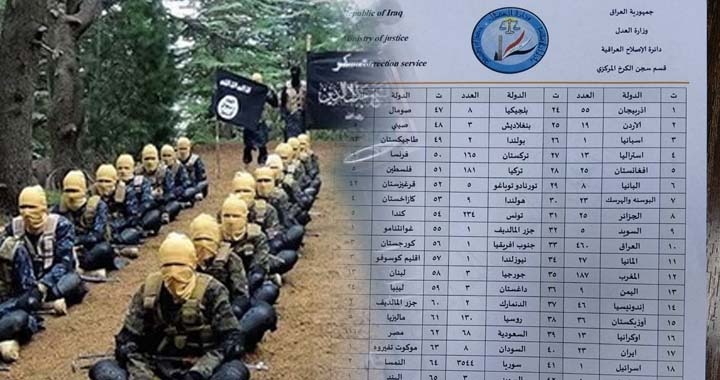
Reports indicate that twenty-five individuals identified as Afghan nationals are among more than 5,000 imprisoned members of the Islamic State (IS) recently transferred from detention facilities in Syria to Iraq. Security experts warn that the presence of these alleged Afghan fighters underscores persistent concerns about the involvement of Afghan nationals in transnational extremist networks.
Historical patterns suggest that the Afghan identity of some detainees may be questionable. Over the past five decades, foreign fighters and their families have frequently obtained fraudulent Afghan identity documents, often to evade scrutiny or exploit regional protection. Consequently, the inclusion of 25 individuals labeled as Afghan among IS prisoners highlights the broader issue of identity misuse and raises questions about Afghan involvement in extremist activities abroad.
Security analysts emphasize that the presence of Afghan nationals in such high-risk extremist groups reflects a troubling trend of participation in global terrorism. These individuals are alleged to have been involved in combat, extremist recruitment, and coordination of IS operations across multiple countries, illustrating the international reach of terrorist networks in which Afghan nationals have historically played a significant role.
The transfer of these prisoners to Iraq is part of a coordinated regional effort to contain and prosecute members of the Islamic State. However, the continued presence of foreign fighters, including those claiming Afghan nationality, highlights the ongoing security challenges for neighboring countries and the international community. Verification of identities and citizenship remains critical, as fraudulent documentation complicates efforts to track extremist movements and prevent future attacks.
Authorities stress that Afghanistan faces an urgent responsibility to monitor and investigate any individuals who may have supported or facilitated IS operations abroad. The international community continues to highlight that inadequate documentation, porous borders, and historical patterns of identity misuse by some Afghan nationals exacerbate the risks posed by returning or repatriated fighters.
The transfer reinforces the urgent need for robust intelligence-sharing, enhanced border security, and international cooperation to ensure that extremist networks cannot exploit gaps in verification systems. It also underscores the negative international perception that Afghan nationals, whether accurately identified or not, continue to pose a security risk due to their involvement in extremist activities abroad.



