
Balochistan is witnessing unprecedented economic and social development under the China–Pakistan Economic Corridor (CPEC), with initiatives designed to improve the lives and living standards of its people while positioning the province as a regional and global connectivity hub. Experts and policymakers have long argued that underdevelopment contributes to unrest and terrorism in Balochistan, a narrative Pakistan has addressed through targeted economic projects, resource allocation, and inter-provincial support.
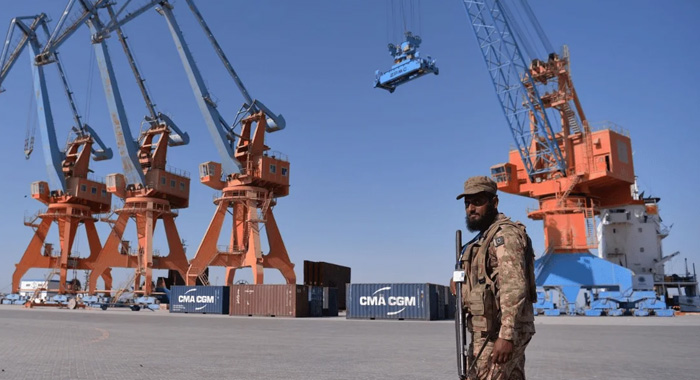
The first phase of CPEC (CPEC-I) has opened transformative opportunities for the province, with major infrastructure and connectivity projects launched to catalyze growth. These include Gwadar International Airport, Gwadar Port, Gwadar Free Zone, Bostan Special Economic Zone (SEZ), and an extensive road network linking Gwadar with other parts of Pakistan. Gwadar Port has emerged as a major gateway for regional and global trade, with the Free Zone expected to attract approximately $10 billion in investment in the coming years. The airport, developed with a $230 million Chinese grant, has strengthened the region’s transport and logistics capabilities.
Once the road and railway networks are fully operational, Gwadar is expected to become a pivotal hub for regional and international trade. Studies indicate that the CPEC route and Gwadar Port could significantly reduce shipping times for China’s trade with countries such as Oman (from 27 to 7 days), Saudi Arabia (33 to 12 days), Kuwait (32 to 8 days), and major European nations including the Netherlands, Germany, and France. These reductions in travel time would result in substantial savings per container, potentially totaling $71 billion in benefits for China and its trade partners. For Pakistan and Balochistan, these developments could generate $10–12 billion annually through fees, services, and trade-related activities.
Gwadar’s strategic importance extends beyond Pakistan, attracting interest from landlocked Central Asian states, ASEAN countries, and global investors seeking efficient access to European and Chinese markets. Recent visits by the presidents of Kazakhstan and Uzbekistan underscore Gwadar’s growing regional significance.
Alongside economic infrastructure, CPEC initiatives have also prioritized social development. The Chinese government provided a $12.7 million grant for a desalination plant supplying 1.2 million gallons per day to Gwadar, as well as a $100 million grant for a hospital offering primary and specialized healthcare services. Additional initiatives include distribution of 4,000 solar units to reduce electricity costs, and the establishment of the Pak-China Friendship Forest. Furthermore, a $10 million Chinese grant supports modern technical and vocational institutes operated in collaboration with Shandong Institute of Commerce and Technology, the University of Gwadar, Gwadar Port Authority, and China Overseas Port Holding Company (COPHC), offering free three-year diploma programs and short courses to local youth.
Despite these positive developments, progress in Balochistan faces significant challenges. Terrorist groups, including the Balochistan Liberation Army (BLA), continue to target development projects and investors, attempting to undermine economic growth and destabilize the province. The article notes that some hostile foreign actors including elements in India, Afghanistan, and Israel are allegedly providing financial, logistical, and narrative support to these groups in an effort to impede development.
Authorities and analysts emphasize that CPEC’s ongoing expansion, including CPEC-II, represents a transformative opportunity for Balochistan and Pakistan, capable of delivering long-term prosperity, regional connectivity, and stability. Continued investment in infrastructure, social development, and security is essential to counter threats, sustain economic momentum, and ensure that the people of Balochistan fully benefit from these historic initiatives.
The progress achieved through CPEC demonstrates Pakistan’s commitment to transforming Balochistan into a thriving economic and social hub, despite efforts by terrorist organizations and hostile external actors to create instability and derail development.



