
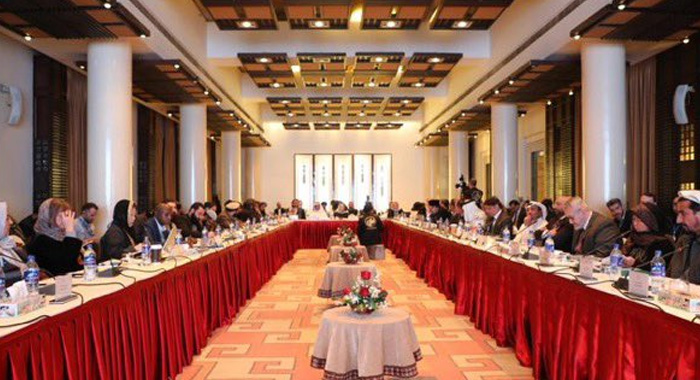
Amid escalating tensions between Pakistan and the Islamic Emirate of Afghanistan triggered by a surge in violence attributed to the Pakistani Taliban (TTP), Pakistan’s Ambassador to Afghanistan, Ubaid ur Rehman Nizamani, held meetings with representatives of Afghanistan’s de facto authorities during United Nations–convened discussions in Kabul.
The engagement comes at a time widely described as a severe diplomatic freeze between Islamabad and Kabul. Ambassador Nizamani, accompanied by Pakistan’s Deputy Head of Mission (DHM), participated in sessions organized under the framework of the Doha Process by the United Nations Assistance Mission in Afghanistan (UNAMA). The meetings brought together representatives of UN Member States, international organizations, Afghanistan’s de facto authorities (Taliban), and subject matter experts.
UNAMA confirmed that a new round of Doha Process Working Group meetings on Counter-Narcotics and the Private Sector was convened on February 10 in Kabul, with discussions taking place over several days. The Working Groups were established as a follow-up to the Third Meeting of Special Envoys held in Doha, Qatar, in June and July 2024. The initiative aligns with the recommendations of the Independent Assessment (S/2023/856), affirmed by the United Nations Security Council through Resolution 2721 (S/RES/2721), which called for a more coherent, coordinated, and structured engagement process with the Taliban authorities for the benefit of the Afghan people.
The Counter-Narcotics Working Group examined efforts by Afghan authorities and the international community to promote alternative livelihoods for communities previously dependent on poppy cultivation and the illicit opium trade. Discussions also focused on drug use prevention and treatment programs, as well as strengthening law enforcement measures to combat narcotics production and trafficking. Participants explored practical mechanisms to ensure that counter-narcotics strategies are economically sustainable and socially viable, recognizing the need to address both supply and demand dimensions.
Parallel discussions within the Private Sector Working Group centered on job creation, entrepreneurship, and strengthening Afghanistan’s economic foundations. Key topics included enhancing women’s participation in the private sector, improving market integration, expanding access to finance, and reinforcing private banking and financial infrastructure. Delegates underscored the critical importance of empowering small and medium-sized enterprises and fostering inclusive economic growth as cornerstones of long-term stability.
Both Working Groups identified priority areas for increased international engagement and deliberated on more effective and sustainable approaches to support Afghan women and men. Participants also highlighted the interconnection between counter-narcotics initiatives and private sector development, noting that lawful economic opportunities are essential to reducing reliance on illicit economies and promoting social and economic stability.
The presence of Pakistan’s ambassador at the Kabul meetings is viewed as diplomatically significant, given the current strain in bilateral relations. While cross-border security concerns continue to shape the political climate, the UN-facilitated Doha Process appears to provide an essential multilateral platform for engagement at a time when direct bilateral channels face considerable challenges.
UNAMA reaffirmed its commitment to advancing coordinated international efforts aimed at strengthening economic resilience, supporting sustainable livelihoods, and fostering stability in Afghanistan. Further consultations and follow-up engagements under the Doha Process are expected as the structured dialogue continues.



