
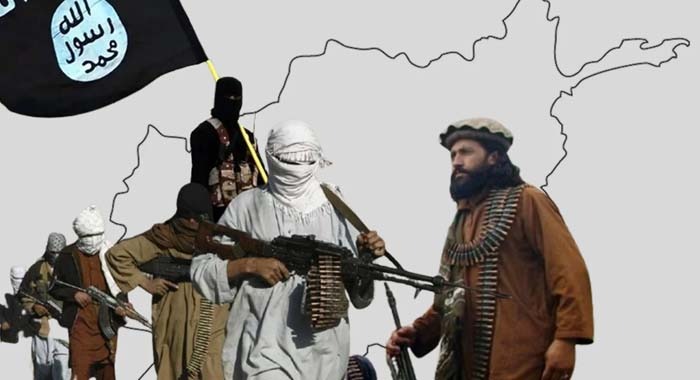
A new report by the United Nations Monitoring Team has raised serious concerns over the continued presence and activities of terrorist organizations in Afghanistan, warning that these groups pose a growing threat to regional security and stability. According to the UN Security Council report covering the latest assessment, attacks against Pakistan originating from Afghan territory have increased, intensifying diplomatic and security challenges between the two neighboring countries.
The report emphasizes that assertions by Afghan authorities denying the operation of terrorist groups within the country have not been accepted by any member state of the Security Council. Observations on the ground, the report notes, contradict these claims, highlighting the ongoing risks posed by extremist networks operating across borders.
The Tehreek-e-Taliban Pakistan (TTP) is reported to enjoy greater freedom of movement and facilitation within Afghanistan, a development that has directly contributed to a rise in attacks targeting Pakistan. In addition, al-Qaeda continues to maintain networks and provide training and advisory support to TTP operatives. The presence of leadership figures from al-Qaeda in the Indian Subcontinent (AQIS) in Kabul raises concerns over the potential for planning and executing external operations in the region.
The report also references the recent attack on a court in Islamabad, which resulted in the deaths of 12 people, describing it as part of an escalating trend of militant activity. It further recognizes the recent killing of TTP deputy leader Khawarij Muzahim in a Pakistani counterterrorism operation as a significant disruption to the group’s command and operational planning.
The Islamic State Khorasan Province (ISKP) remains active in northern Afghanistan and along areas close to the Pakistan-Afghanistan border. Despite ongoing counterterrorism efforts, the group continues to maintain notable operational capabilities. The report additionally highlights that stockpiles of US and NATO weapons left in Afghanistan have enhanced the lethality of TTP attacks, with militants increasingly employing advanced equipment, including night-vision devices and drones, signaling a worrying rise in sophistication and firepower.
The UN Monitoring Team’s findings underscore the urgent need for continued vigilance, regional cooperation, and sustained counterterrorism measures to address the evolving threat posed by cross-border extremist networks. The report serves as a stark reminder of the complex security environment in Afghanistan and the pressing need for coordinated action to safeguard regional stability and protect civilian populations.



