
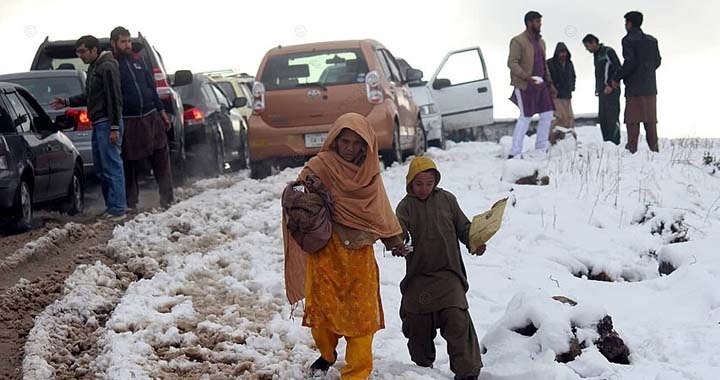
Afghanistan’s national disaster management authority (ANDMA) has come under scrutiny as recent deadly weather events revealed a near-total absence of preparedness, public communication, and emergency coordination.
Despite recurring floods, earthquakes, avalanches, and extreme winter conditions, the authority has failed to provide timely warnings, publish updated information, or coordinate visible relief efforts.
Even basic public-facing tools appear neglected. The agency’s website has not been regularly updated, reflecting a broader institutional paralysis that has left communities uninformed and unprotected.
Experts say effective disaster management requires early warnings, risk mapping, coordination with local authorities, and transparency—none of which are currently evident.
The authority’s performance has become emblematic of a wider collapse in governance, where institutions exist in name only while the population bears the consequences.
As climate-related disasters increase in frequency and severity, the lack of functional disaster response mechanisms threatens to deepen Afghanistan’s humanitarian crisis.
Beyond disaster management, critics say the Taliban’s failure to dismantle safe havens used by foreign militant groups has further isolated Afghanistan and increased regional anxiety.
More than 20 foreign terrorist organizations are believed to be operating or sheltering inside Afghanistan, according to regional and international assessments, raising fears of cross-border militancy and spillover violence.
Despite repeated demands from regional and global powers, Taliban authorities have taken limited visible action to dismantle these networks, fueling concerns that Afghan territory is once again becoming a launchpad for instability.



