
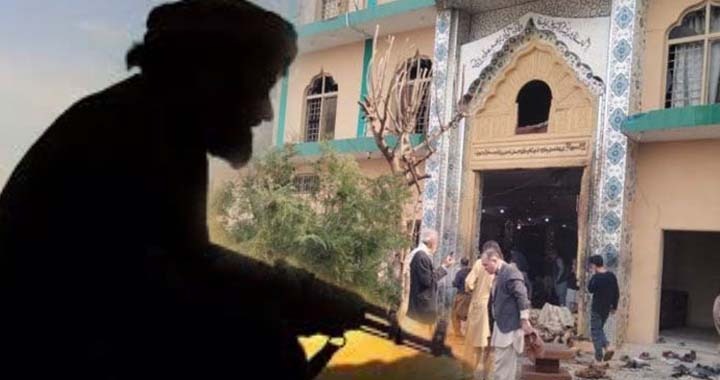
Pakistan’s security landscape is once again under strain, as fresh details emerging from the suicide bombing at the Tarlai mosque on the outskirts of Rawalpindi deepen concerns about cross-border militant facilitation and the evolving operational reach of extremist networks.
The attack, which has so far claimed 31 lives and left 169 worshippers injured, was initially seen as another grim addition to the country’s long battle against terrorism. However, the identification of the suicide bomber has shifted the analytical lens from incident reporting to network tracing.
Government sources confirm that the attacker had received terrorist training in Afghanistan and had travelled their multiple times. He had returned to Pakistan only recently, raising immediate questions about cross-border monitoring gaps, facilitation corridors, and handler presence inside Pakistani territory.
Security officials believe the bombing was not an isolated act of radicalization but part of a structured militant ecosystem that draws ideological direction, operational training, and logistical support from sanctuaries across the border.
Hospitals across Islamabad and Rawalpindi remain on emergency footing, with trauma, burn, orthopaedic, and neurological units activated. Given the critical condition of several injured, the death toll is feared to rise further.
The choice of target, a mosque filled with worshippers, underscores the sectarian-psychological dimension militant groups continue to weaponize maximum civilian casualties, symbolic desecration, and mass fear amplification.
Yet this attack did not emerge in a vacuum.
Militant Continuum, Not Isolated Violence
Yesterday’s counterterrorism developments had already signaled heightened militant activity.
Security operations across sensitive districts had pointed toward facilitator arrests, disruption of sleeper logistics, and intelligence warnings regarding potential urban strikes. The Rawalpindi bombing now appears less like a sudden breach and more like an operational node within a broader escalation curve.
Analysts note three converging trajectories:
1. Cross-Border Training Pipelines
Militants continue to access training infrastructure inside Afghanistan, including explosives handling, indoctrination modules, and urban infiltration tactics.
2. Facilitated Return Routes
Repeated travel histories suggest the presence of handlers, safe houses, and documentation support networks enabling re-entry.
3. Urban Target Expansion
From peripheral districts to major population centers, the militant theatre is widening geographically.
The Afghan Taliban regime’s inability, or unwillingness, to dismantle anti-Pakistan terrorist infrastructure remains a central strategic concern. Multiple terrorist factions continue to operate from Afghan soil, posing a threat not only to Pakistan but to wider regional stability.
Government sources further allege that hostile intelligence alignments, particularly involving India, exploit these militant ecosystems to destabilize Pakistan internally, though such claims remain part of ongoing security investigations.
Psychological Warfare Through Sacred Spaces
Attacks on mosques carry layered objectives:
Civilian mass casualty impact
Sectarian provocation
Media shock value
Faith-space insecurity
By striking at worship, militants attempt to fracture social cohesion and project state vulnerability.
Security interception at the mosque gate prevented even higher casualties, officials say, crediting police vigilance with averting a far deadlier outcome.
National Response and Security Posture
Authorities have sealed the blast site, while bomb disposal units and forensic teams continue evidence recovery.
Investigations are focusing on:
Handler identification
Funding trails
Cross-border travel enablers
Local facilitators
Senior officials reiterate that extremist violence targeting civilians will be met with intensified counterterrorism operations.
Public messaging emphasizes resilience, with the state framing such attacks as cowardly attempts to weaken national resolve, attempts that have historically failed.



