
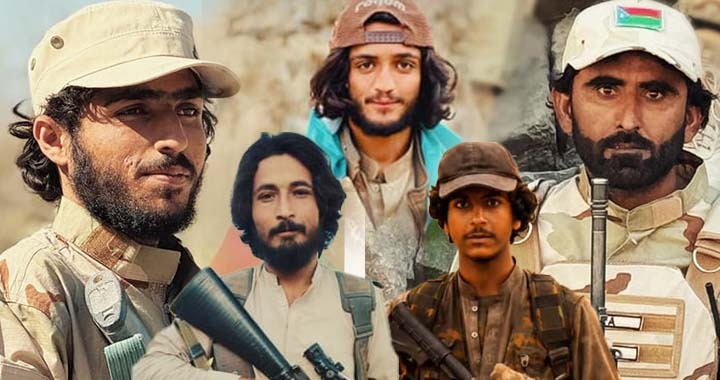
The killing of multiple Balochistan Liberation Army (BLA) operatives in recent security forces’ operations has once again raised serious questions about the credibility of “missing persons” lists promoted by certain pressure groups, as well as the militant group’s systematic recruitment and exploitation of minors for violent militancy.
One such case is that of Raziq Nechari, whose name had appeared on the list of “missing persons” circulated by the Baloch Yakjehti Committee (BYC). Security officials confirmed that Nechari, who was killed during a counterterrorism operation, was in fact a senior BLA commander who had remained actively involved in militant activities for several years. The BLA itself has now formally acknowledged that Raziq Nechari was one of its key commanders. Official records indicate that he was inducted into the organisation at the age of just 15 and had not even completed his basic education, underscoring how armed groups prey on underage boys and exploit their vulnerability for violent ends.
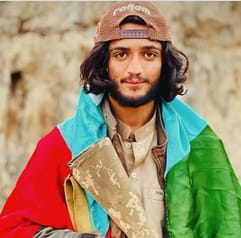
A similar pattern emerged in the case of Qadir Bakhsh Kurd, another individual listed as a “missing person,” who was killed during a recent security operation in the Noshki area of Balochistan. Investigations established that Kurd was an active BLA operative involved in militant operations. Security sources say that an overwhelming majority estimated at nearly 99 percent of BLA commanders and operatives killed in recent years had earlier been declared “missing” and were the subject of protests and campaigns alleging enforced disappearances.
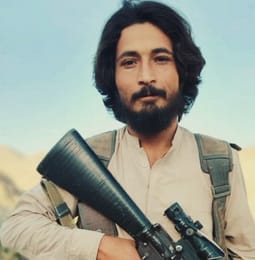
These revelations have reinforced concerns that the narrative of enforced disappearances is being deliberately manipulated to shield armed militants, while ignoring the grim reality that extremist groups are recruiting children, indoctrinating them, and sending them to their deaths. Militant organisations, analysts note, do not hesitate to use minors or women, as emotionally vulnerable individuals are easier to radicalise and turn into expendable assets.
The contradiction becomes more striking when examined through the lens of selective outrage. Had a 15-year-old been arrested alive in connection with a criminal or militant case, rights groups and activists would likely have highlighted his age and portrayed him as an innocent child. Yet when the same child is turned into a militant asset trained, armed, and ultimately killed as part of an extremist campaign there is conspicuous silence from those who otherwise claim to champion human rights.
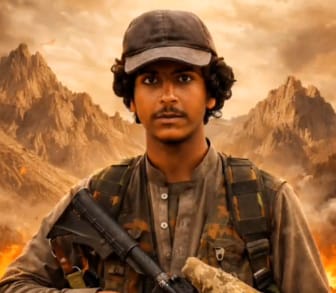
Another case that has drawn attention is that of Shabbir Baloch, whose name had also featured prominently on missing persons lists. Prominent activist Mahrang Baloch had not only led protests for his recovery but had directly accused state institutions of his disappearance. However, the BLA later admitted that Shabbir Baloch had been associated with the organisation for seven years and was serving as an operational commander. He was killed along with his accomplices during the Pasni attack, where the BLA acknowledged his role as a “fidayeen” operative.
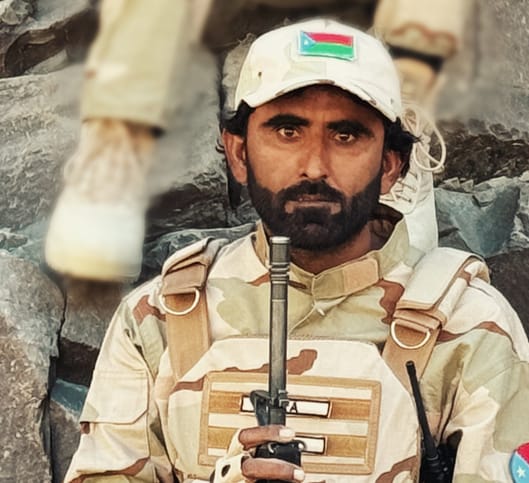
The killing of 21-year-old suicide bomber Dil Jan in Pasni further illustrates this dangerous trajectory. According to security assessments, Dil Jan was radicalised at the age of 18 and transformed into a suicide bomber within months. Experts say the case reflects a broader strategy employed by the BLA and its suicide wing, the Majeed Brigade, which deliberately targets young minds before they develop critical thinking, filling them with hate and glorifying death under the guise of ideology.
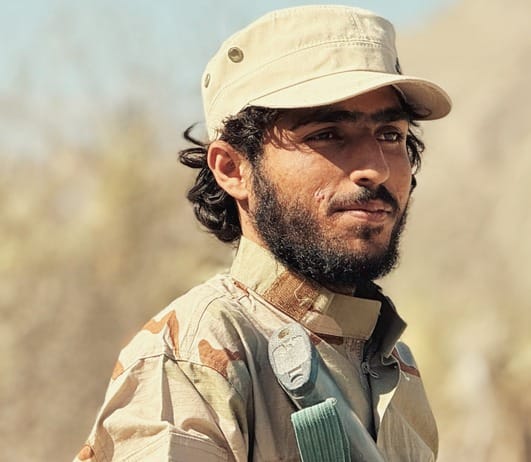
Observers argue that the reality is far removed from the romanticised rhetoric of “freedom” and “resistance.” Young men who have not even reached an age of economic independence are persuaded to internalise complex political narratives and ultimately sacrifice their lives. The practice, analysts warn, amounts to the deliberate destruction of a generation.
As security operations continue against militant networks in Balochistan, these cases are forcing a wider debate: are the names on so-called missing persons lists genuinely victims of enforced disappearances, or are they individuals who willingly went underground to join armed groups? The growing body of evidence, including admissions by the BLA itself, suggests a deeply troubling overlap that demands transparency, accountability, and an honest reassessment of narratives that obscure the exploitation of children and youth by violent extremist organisations.



