
What began as a celebration of knowledge and youth engagement in Gwadar abruptly descended into fear and chaos, underscoring the persistent and evolving threat of terrorism in Balochistan. For the past two to three years, Gwadar has hosted a popular book fair attracting thousands of young men and women eager to purchase books and engage in intellectual discourse. This year’s event opened with enthusiasm, intellectual exchange, and active participation from journalists, academics, and cultural figures.
Within moments, however, the atmosphere changed dramatically. Gunfire erupted from multiple directions, books scattered across the ground, and the smiles of attendees including journalists who had traveled from Karachi were replaced by panic as the program was brought to a violent halt.
Subsequent information revealed that nearly 200 militants had allegedly planned coordinated attacks across multiple districts of Balochistan with the intention of plunging the province into widespread chaos. According to security sources, Pakistani security forces responded swiftly, surrounding and neutralizing the attackers across cities and towns. Within hours, the militants were eliminated. The attackers reportedly aiming to devastate 12 districts of Balochistan were killed before their objectives could be realized.
Despite the successful counterterrorism operation, the cost was heavy. Thirty-one civilians and seventeen security personnel lost their lives in the recent wave of violence, highlighting the human toll of continued militant activity.
Security assessments indicate that Afghan- and India-linked elements continue to play a destabilizing role in Balochistan. Analysts argue that repeated attacks are part of a broader strategy to undermine Pakistan’s unity, fuel ethnic and sectarian divisions, and convert social cohesion into mistrust and hatred.
Observers note that Afghanistan has increasingly become a sanctuary for militant networks. These groups once dispersed across global conflict zones now operate from Afghan territory, engaging in militancy, narcotics trafficking, and regional destabilization. Despite international warnings, extremist factions continue to impose regressive social controls while presenting these actions as ideological “victories.”
The roots of militancy in Balochistan are deeply complex and historical. Following the dismissal of the Baloch government during the era of former Prime Minister Zulfikar Ali Bhutto, armed resistance emerged in the mountains, involving individuals beyond tribal affiliations. Over time, militant outfits such as the Baloch Liberation Army (BLA) and Baloch Liberation Front (BLF) became entrenched.
Targeted violence against communities—including the Hazara population and Punjabi laborers escalated over the years. Entire neighborhoods in Quetta were reshaped for self-defense, and mass casualty attacks left lasting scars. Chinese interests were also repeatedly targeted, including attacks on the Chinese Consulate, signaling attempts to disrupt regional economic cooperation.
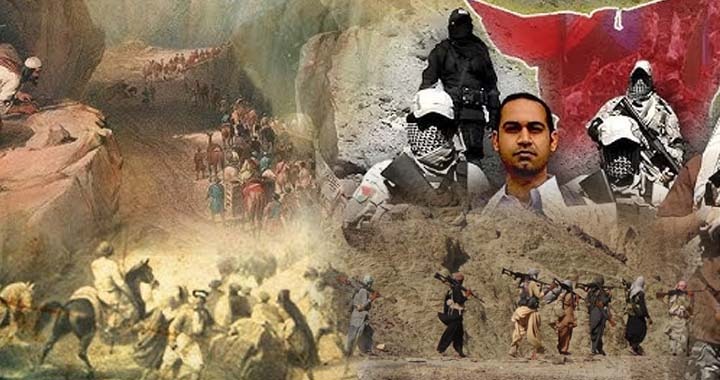
Recent intelligence links multiple attacks to Bashir Zeb, the leader of the Majid Brigade, a group wanted in numerous terrorism cases.
Analysts emphasize that the political landscape in Balochistan has evolved. Today, representation within universities, public institutions, and government benches increasingly includes Baloch individuals. Critics argue that armed militancy no longer reflects the political realities of the province and instead obstructs progress for other communities, including Pashtuns and Hazaras.
At the same time, global attention has intensified on Balochistan’s vast mineral resources, drawing international interest and raising concerns that foreign actors may seek to exploit instability to gain access to these assets.
The security challenge is compounded by criminal economies. Smuggling particularly of Iranian oil, narcotics, and other goods remains widespread across districts such as Khuzdar, Noshki, Panjgur, Kech, and Badin. Militants are reportedly deeply involved in drug trafficking, extortion, and kidnappings for ransom, including the abduction of senior police officials.
Tribal power structures have further fragmented the landscape, with multiple armed groups operating independently. Leaders pursue political leverage through violence, targeting government officials when demands are unmet.
Prominent militant figures such as Balach Marri and later Aslam Baloch played key roles before being killed in separate security incidents. Aslam Baloch, who reportedly traveled to India without leadership approval, was later killed in a suicide attack in Afghanistan.
Despite the violence, Balochistan has made notable cultural and educational progress. Universities now operate in multiple local languages, and for over 25 years, scholars such as Dr. Shah Mohammad Marri and contributors from the Baldaini tribe have played a critical role in preserving and promoting Balochi literature.
The Government of Pakistan maintains that militant organizations exploit cultural platforms to recruit youth into extremism, threatening national unity and social harmony.
The attack on a book fair an event symbolizing learning, dialogue, and hope serves as a stark reminder that terrorism in Balochistan is not merely a security issue but a direct assault on culture, coexistence, and the future of Pakistan’s youth.
While security forces continue to disrupt militant networks, analysts stress that lasting peace will require addressing external interference, dismantling criminal economies, strengthening governance, and protecting spaces where ideas not bullets shape the future.



