
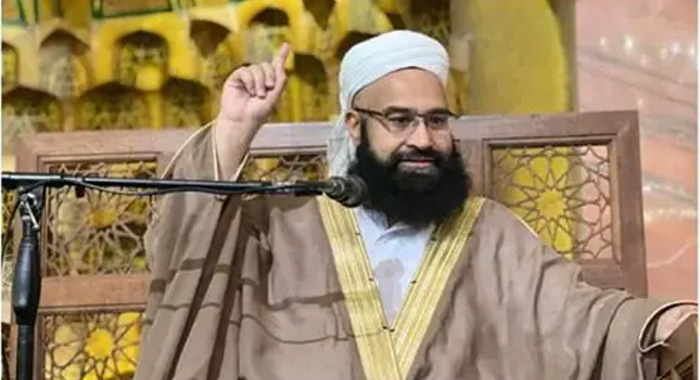
The Chairman of the Pakistan Ulema Council, Hafiz Tahir Mehmood Ashrafi, has accused the Taliban-led interim administration in Afghanistan of supporting militant elements and failing to take effective action against armed groups using Afghan soil to carry out attacks against Pakistan.
Speaking amid a surge in militant violence, Ashrafi stated that enemies of Pakistan were operating freely from within Afghanistan and actively plotting to destabilise the country. He urged the Muslim world and the international community to take Pakistan’s security concerns seriously and to press the Afghan authorities to fulfil their responsibilities.
“Militant networks hostile to Pakistan are present in Afghanistan, and regrettably, no meaningful steps have been taken to eliminate them,” Ashrafi said. “This situation is unacceptable and cannot be ignored any longer.”
Ashrafi’s remarks followed a series of coordinated militant attacks in Pakistan’s southwestern Balochistan province, which officials and media reports have attributed to the Baloch Liberation Army (BLA). On Saturday, armed militants launched nearly a dozen coordinated assaults across multiple cities, targeting high-security installations including a prison, police posts, and paramilitary facilities.
According to Agence France-Presse, the attackers used firearms and hand grenades in the assaults, making the incident one of the most significant militant operations in the region in recent years.
The recent violence also follows a major earlier attack on the Jaffar Express passenger train on the Quetta–Peshawar route in March 2025, an incident that underscored the growing operational capacity of Baloch separatist groups and raised serious concerns about regional security.
Ashrafi accused the Afghan Taliban’s interim government of supporting militants rather than dismantling their networks. He stressed that Afghan authorities had failed to take effective action against both the Pakistani Taliban (TTP) and the Baloch Liberation Army, despite repeated calls from Islamabad.
He called upon “responsible figures” within Afghanistan to recognise the gravity of the situation and to take concrete steps to prevent their territory from being used for cross-border terrorism.
Reaffirming national resolve, Ashrafi said the people of Pakistan stood firmly alongside their armed forces in confronting terrorism. “Just as in the past, the Pakistani nation and its security forces will stand united and defeat this new wave of terrorism,” he said.
He added that both the Pakistani Taliban and the Baloch Liberation Army would ultimately be defeated, stressing that militant violence would not succeed in undermining Pakistan’s stability or sovereignty.
The statement reflects growing frustration within Pakistan over what officials describe as the Afghan Taliban’s failure to honour commitments to prevent militant groups from operating against neighbouring states, and comes amid renewed calls for international engagement on regional counterterrorism efforts.



