
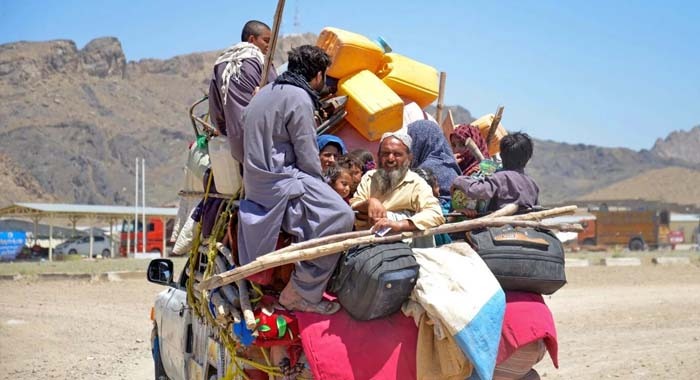
Over the past several months, more than one million Afghan nationals have returned to their homeland from Khyber Pakhtunkhwa (KP), Pakistan, as part of ongoing repatriation efforts following decades-long residence in the country. According to official sources, approximately 700,000 Afghans are still in the process of returning after spending nearly 46 years in Pakistan.
Inspector General of Police Zulfiqar Hameed confirmed the figures to media on Friday, stating, “As many as 65 percent of Afghan nationals residing in Khyber Pakhtunkhwa have returned in the past year. Around 700,000 remain in the process of repatriation.”
He emphasized that the government is taking special care to ensure the safe and dignified return of Afghan families, with dedicated teams comprising police officials, Revenue Department representatives, and district administration personnel overseeing the process. The focus remains on facilitating voluntary and orderly repatriation, while maintaining respect for the rights and dignity of all individuals involved. Hundreds of Afghan nationals continue to leave KP for Afghanistan on a daily basis. However, returning families are facing significant challenges, including harsh winter conditions, lack of basic facilities, and limited accommodation in their home country. Authorities have established multiple snap-checking points to verify travel documents, and those without valid computerised cards are being guided through the proper channels for repatriation.
Despite these challenges, no strict punitive action has been taken against foreign nationals, reflecting the government’s commitment to a respectable and humane return process. In recent months, all refugee camps across KP and other provinces of Pakistan have been closed, and families have been directed to return, as the documents legalizing their stay in Pakistan have expired.
Many Afghan families returning to Afghanistan had been living in Pakistan for decades, contributing to the local economy through businesses, employment, and other professional engagements. Tens of thousands of Afghans operated shops, worked as vendors, or served in other trades, building long-standing livelihoods in cities such as Peshawar. The process of winding up these businesses and relocating families presents a major logistical and emotional challenge for returning Afghans.
Authorities note that many families require additional time to arrange housing, education for children, and relocation of family members in Afghanistan. Despite the expiry of deadlines for repatriation, numerous Afghans are still in the process of closing businesses and making necessary preparations for return.
The KP government and relevant agencies remain committed to ensuring a safe, orderly, and dignified repatriation process, addressing the practical challenges faced by Afghan nationals while coordinating closely with Afghan authorities to facilitate their reintegration



