
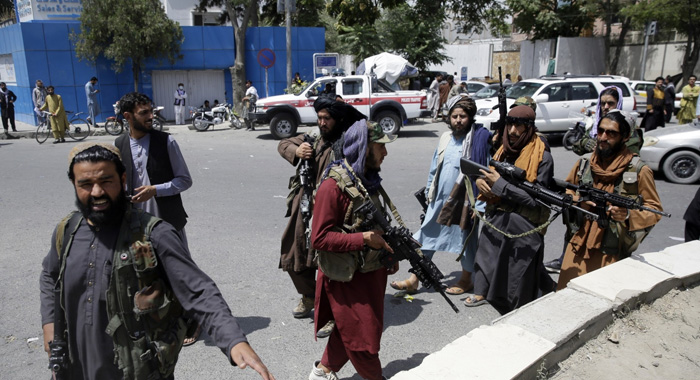
Afghanistan, long perceived as a country grappling with internal instability, has evolved into a strategic hub for narcotics and terrorism that extends its impact well beyond its borders. Terrorist networks, organized crime, and the illicit drug economy are now deeply intertwined, fueling violence, extremism, and criminal activity while generating substantial financial resources for these actors.
The Turkey Narcotics Report 2025 underscores this alarming reality, highlighting that Afghanistan remains a central pillar in the global supply chain of opiates and increasingly hazardous synthetic drugs, posing a serious threat not only to the region but also to global security.
The report identifies a significant shift in the illicit drug market, where traditional plant-based drugs are now supplemented by synthetic narcotics and emerging psychoactive substances (NPS). Turkey serves as a critical hub for heroin smuggling via the Balkan route, while also facilitating access to cocaine and methamphetamine markets in Europe. Despite this transnational network, Afghanistan remains the primary source of these lethal substances.
Even after the 2022 Taliban ban on opium poppy cultivation and narcotics, Afghanistan continues to be a major global source of heroin and opiates. While official figures reported a 95% reduction in opium production in 2023, this decline proved temporary. In 2024, opium poppy cultivation increased by 19%, demonstrating that the ban was aimed more at controlling the market than eliminating production. While Myanmar briefly became the world’s largest opium producer, Afghanistan’s influence on the global narcotics economy remains strong.
Decades of established networks for cultivation, processing, storage, and smuggling remain active. The 2022 poppy ban primarily served to regulate global supplies and stabilize prices, rather than dismantle trafficking networks. By allowing time for the sale of stored opium, Taliban policies benefited actors controlling trafficking and stockpiles, resulting in a dramatic increase in heroin and opium prices — from $110 per kilogram in 2022 to $780 in 2024. This artificial scarcity shifted market power from farmers to traffickers and storage networks, making the narcotics economy even more profitable and entrenched.
Simultaneously, Afghanistan has rapidly expanded into synthetic drugs, particularly methamphetamine, leveraging local ephedra plants for precursor chemicals. International monitoring agencies report that the poppy ban inadvertently boosted methamphetamine production. Confiscations of Afghan-produced synthetic drugs in Europe, East Africa, and neighboring countries have increased significantly, signaling a dangerous new trend.
Synthetic drugs are highly profitable, low-volume, and easier to store and transport, making them a growing challenge for law enforcement. Afghanistan has emerged not only as a producer of these drugs but also as a strategic hub in the global supply chain for the chemicals and precursors required, spreading its influence far beyond its borders.
Taken together, these developments illustrate that Afghanistan has become a complex narco-state, where narcotics fuel terrorism, organized crime, and regional instability. Under Taliban rule, the narcotics economy has not been eliminated but reorganized into a more structured and dangerous system. Through artificial scarcity, uneven enforcement, control of stockpiles, and diversification into synthetic drugs, Afghanistan continues to manipulate global supply and prices, posing a persistent and serious threat to the international community.
Afghanistan today exemplifies a country where drugs, terrorism, and organized crime operate as interconnected links in the same chain. Despite public statements by the Taliban regarding anti-narcotics measures, the on-the-ground reality demonstrates that Afghanistan retains the capacity to control the global narcotics market. Revenue from opiates, heroin, and synthetic drugs continues to support the illegal economy, empower terrorist networks, and exacerbate regional instability, making Afghanistan a strategic security challenge of global concern.



