
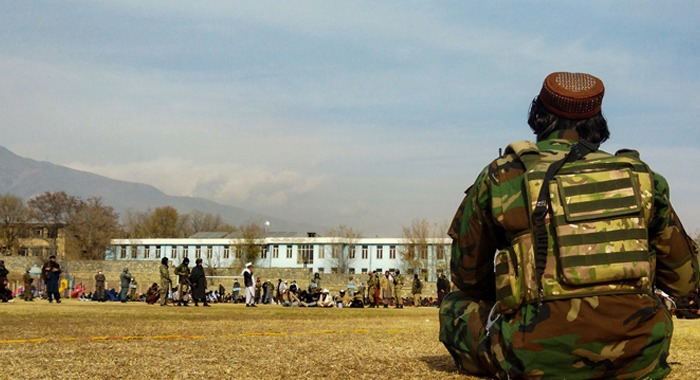
At least 36 people were publicly flogged in Afghanistan’s Khost province in a single day, according to international news agencies, marking another instance of corporal punishment carried out under the Taliban administration.
Reports said the punishments were implemented following verdicts issued by the Taliban’s Supreme Court, which sentenced the accused to public flogging along with prison terms for various offences.
Taliban authorities stated that the individuals were convicted of crimes including drug use, theft, so-called immoral relationships, and other criminal acts. Each convict was subjected to between 10 and 39 lashes, depending on the nature of the offence, and was also sentenced to imprisonment ranging from one to two years.
The punishments were carried out in public, in line with the Taliban government’s interpretation of Islamic law and its stated judicial procedures.
According to figures released by Taliban officials, at least 140 people have been publicly flogged across 17 Afghan provinces since the group returned to power. Among those punished were at least eight women.
Public floggings have been reported in several provinces, including Kabul, Faryab, Balkh, Nangarhar, Herat, Paktia, Paktika, Badakhshan, and other regions.
International human rights organizations and the United Nations have repeatedly condemned the use of corporal punishment in Afghanistan, describing such practices as cruel, inhuman, and in violation of international human rights norms.
The Taliban authorities have rejected these criticisms, maintaining that the punishments are necessary for crime prevention and are consistent with their interpretation of Islamic law and Afghan traditions.
Despite sustained international pressure, the Taliban leadership has shown no indication of reversing its policy on public punishments, which continue to draw global scrutiny and criticism.



