
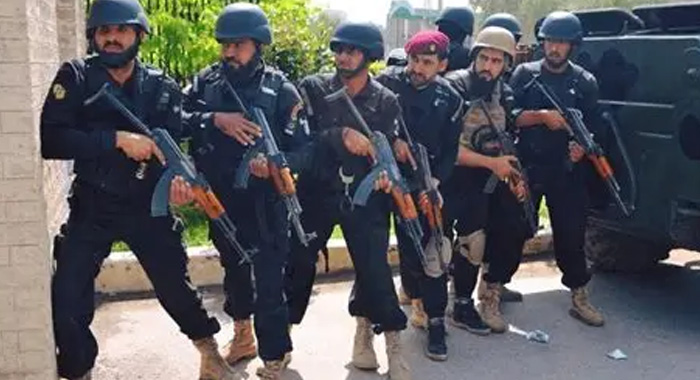
According to an article in Dawn News by Muhammad Ali Babbkhel, Additional Inspector General of KP Police, the province is taking proactive steps to counter violent extremism through the implementation of an Early Warning and Response Mechanism (EWRM). This initiative aims to detect and address potential threats before they escalate, emphasizing the critical role of community engagement and trust in effective policing.
EWRM enables police to identify early signs of radicalization, recruitment efforts, and planned acts of violence, allowing timely intervention to protect vulnerable communities. As Babbkhel notes, police officers are often the first to observe or receive reports of extremist activity, positioning them uniquely to respond to emerging threats. However, the success of these mechanisms depends heavily on public confidence in law enforcement. Without trust, even the most sophisticated early warning systems cannot achieve their intended impact.
“Violent extremism grows gradually and often leaves clear warning signs,” Babbkhel explains. “Our approach must be proactive, not reactive. Police must be seen as partners by the communities they serve, rather than as purely enforcement authorities.”
KP Police are working closely with religious leaders, youth groups, NGOs, and local government representatives to create secure channels for reporting concerns. Collaboration with intelligence agencies and social welfare organizations helps validate threats, monitor suspicious behavior, and support the rehabilitation of individuals at risk of radicalization.
Educational institutions are a key focus area. Universities and colleges, while hubs of learning and critical thinking, can also be vulnerable to extremist influence. Incidents such as the lynching of Mashal Khan at Mardan University and the suicide bombing at Karachi University illustrate gaps in early detection and preventive measures. By training faculty and student leaders to identify behavioral changes, KP Police aims to establish clear reporting systems, promote dialogue, and integrate preventive education into campus life.
Youth outside the formal education system are also at risk. With over 25 million out-of-school children in Pakistan, many are susceptible to crime and extremist influence. KP Police is engaging parents, local authorities, and welfare institutions to identify early warning signs, encourage reporting, and provide constructive support to at-risk youth.
Community trust is central to the success of EWRM. Article 47 of the KP Police Act mandates the establishment of Public Liaison Councils (PLCs), which allow citizens to inform police about emerging issues, including hate speech, local grievances, and threats of violence. Currently, 10,508 PLC members across 909 councils actively support KP Police in monitoring and preventing potential incidents. Specialized units, such as Chitral Police’s Suicide Prevention Unit, also work directly with communities to respond to crises.
KP Police recognizes structural challenges in implementing EWRM, including low numbers of female officers (currently 3.2% of the force), limited training on radicalization, and multiple competing responsibilities. To overcome these gaps, the department is introducing dedicated training programs on early detection, youth engagement, human rights, and crisis management, alongside hotlines and strengthened links with social welfare institutions.
Babbkhel emphasizes that countering extremism is not the responsibility of police alone. Parents, teachers, and community leaders are essential partners in detecting early signs of radicalization and ensuring timely intervention. By building trust, empowering communities, and creating transparent reporting systems, KP Police aims to prevent violence before it occurs and protect the province from the destructive effects of radicalization.



